Saturday, November 16, 2024
Septic Tank Smells in Your House: What They Mean and How to Fix Them
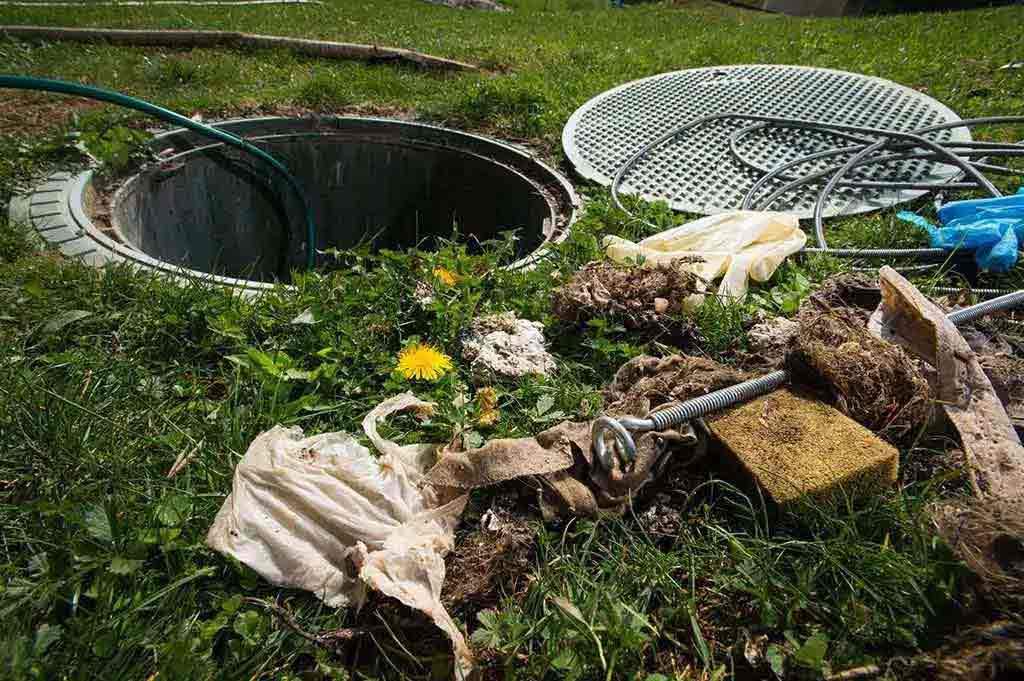
Septic Tank Smells in Your House: What They Mean and How to Fix Them
A septic system is a vital component of your home's plumbing, responsible for treating wastewater before it is discharged into the environment. While a properly functioning system is largely odorless, unpleasant smells can signal problems within your septic tank or its associated components. These smells can range from a mild, musty odor to a strong, foul stench, and can be indicative of various issues that require immediate attention.
Understanding the causes of septic tank smells is crucial to identifying the underlying problem and taking appropriate action. This article will delve into the common reasons for septic tank odors in your home, explain what these smells might indicate, and provide practical solutions to eliminate the problem.
Common Causes of Septic Tank Smells
Septic tank smells usually stem from one of the following causes:
1. Overflowing Septic Tank
An overflowing septic tank is a primary culprit for foul odors. When the tank reaches its capacity, wastewater cannot be processed effectively. This can lead to a backup of raw sewage, resulting in strong, unpleasant smells emanating from drains and throughout your home.
2. Clogged Drainfield
The drainfield is responsible for filtering and discharging treated wastewater into the soil. A clogged drainfield occurs when the soil becomes saturated with wastewater, hindering drainage. This can cause wastewater to back up into the septic tank, leading to unpleasant odors.
3. Faulty Septic Tank Components
Defective components within your septic system, such as the lid, vent pipe, or baffles, can contribute to odor problems. A damaged lid can allow gases to escape, while a malfunctioning vent pipe can trap gases within the tank, leading to a buildup of pressure and unpleasant smells.
4. Improper Septic Tank Maintenance
Regular septic tank maintenance is essential for preventing odor issues. Neglecting routine pumping and inspections can lead to a buildup of sludge and scum, creating an environment conducive to odor-producing bacteria.
5. Excess Water Use
Excessive water usage can overburden your septic system, leading to a buildup of wastewater and a potential overflow. This can result in unpleasant smells from drains and around your home.
6. Tree Roots
Intrusive tree roots can damage your septic system's pipes and drainfield, creating pathways for sewage to escape and generate foul odors. Tree roots are attracted to the moisture and nutrients found in wastewater, leading to their growth within the system.
Identifying the Source of the Smell
To effectively address septic tank odors, it's essential to pinpoint their source. Here are some steps to help you determine the origin of the smell:
- Identify the Location: Determine where the odor is most pronounced, whether it's near specific drains, in the basement, or throughout your home.
- Check Drainfield: Inspect the drainfield for signs of saturation, such as pooling water or lush vegetation. This can indicate a blockage or improper drainage.
- Observe the Vent Pipe: Check the vent pipe for signs of blockage, damage, or improper installation. A blocked or damaged vent pipe can trap gases within the tank, leading to odors.
- Check the Septic Tank Lid: Ensure the septic tank lid is securely closed and free of any damage. A cracked or loose lid can allow gases to escape.
- Look for Leaks: Inspect the pipes and connections around your septic system for any leaks or cracks. These can allow wastewater to escape and create unpleasant smells.
How to Fix Septic Tank Smells
The solutions to septic tank smells vary depending on the cause. However, here are some general steps you can take to eliminate the odors:
1. Pump the Septic Tank
Regular septic tank pumping is essential for maintaining proper functionality. Contact a qualified septic tank service to pump the tank according to the manufacturer's recommendations, typically every 3-5 years. Pumping removes accumulated sludge and scum, preventing overflow and odor issues.
2. Repair or Replace Faulty Components
Inspect and repair or replace any damaged or malfunctioning components within your septic system, such as the lid, vent pipe, or baffles. Ensure that all components are properly installed and functioning correctly to prevent odor problems.
3. Maintain Proper Water Usage
Reduce excessive water usage by taking shorter showers, fixing leaky faucets, and avoiding unnecessary water use. This will prevent overloading your septic system and minimize the risk of odor problems.
4. Clean and Deodorize the System
Use septic tank additives or enzymes to help break down waste and reduce odor-causing bacteria. These additives can be added to the tank periodically to help maintain proper function and prevent odor problems.
5. Address Tree Roots
If tree roots are encroaching on your septic system, consider having them professionally removed or controlled to prevent damage to the pipes and drainfield. This will prevent the roots from disrupting the system's functionality and contributing to odor problems.
6. Call a Professional
If the odor persists despite your efforts, it's best to contact a qualified septic tank service for inspection and repair. A professional can diagnose the problem, recommend solutions, and implement necessary repairs to eliminate the odor and ensure the proper functioning of your septic system.
Preventing Septic Tank Smells
Preventing septic tank smells is crucial for maintaining a comfortable and healthy living environment. Here are some preventive measures to consider:
- Regular Pumping: Schedule regular septic tank pumping according to the manufacturer's recommendations or as advised by a qualified septic tank service.
- Proper Water Usage: Practice water conservation measures to avoid overloading the septic system.
- Avoid Flushing Non-Biodegradable Items: Do not flush items such as wipes, paper towels, feminine hygiene products, or grease down the drain, as these can clog the system and contribute to odor issues.
- Regular Inspections: Schedule annual inspections of your septic system to detect potential issues before they become major problems.
- Tree Root Control: Monitor the growth of trees and shrubs around your septic system to prevent root intrusion.
In conclusion, septic tank smells are a sign of underlying problems that need to be addressed promptly. By understanding the common causes of these odors, pinpointing their source, and implementing the appropriate solutions, you can eliminate the unpleasant smells and ensure the long-term functionality of your septic system.

No comments:
Post a Comment
Note: Only a member of this blog may post a comment.