Tuesday, November 19, 2024
How Can I Keep My Yard Free from Septic Tank Odor?
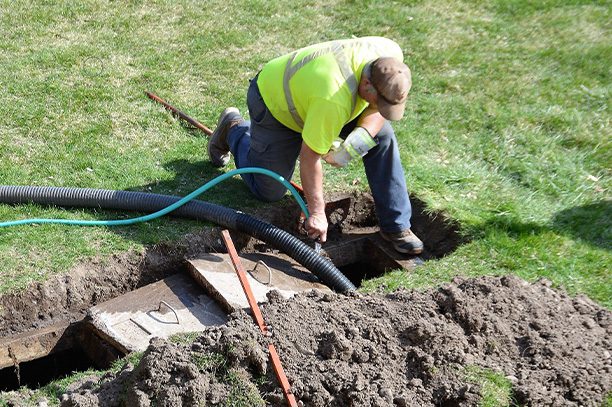
Banishing That Septic Smell: A Guide to a Fresh-Smelling Yard
Let's be honest, nobody wants their yard smelling like a… well, you know. A septic tank odor is not only unpleasant, it can be a real sign that something's not quite right with your system. But don't panic! It's usually fixable, and with a little know-how, you can get that fresh air back into your outdoor space. This guide will walk you through everything you need to know about keeping your yard free from that unwelcome septic smell.Understanding the Source of the Problem
Before we dive into solutions, it's crucial to understand *why* you're smelling your septic tank. The smell usually means there's a problem with your system, and ignoring it can lead to bigger, more expensive issues down the road. The most common culprits are:
- Leaks: Cracks or holes in your septic tank or pipes allow sewage to seep into the soil, leading to that awful smell. Think of it like a leaky faucet â€" a small drip can eventually become a major flood (of odor, in this case!).
- Clogged Drain Field: Your drain field is the area where the treated wastewater from your tank disperses into the ground. If it becomes clogged with solids or roots, wastewater backs up, leading to surface seepage and odor.
- Improper Installation or Maintenance: If your septic system wasn't installed correctly, or if it hasn't been regularly inspected and pumped, it's more likely to develop problems and produce odors.
- High Water Table: If the water table is high in your area, it can interfere with the drainage of your septic system, causing backups and odors.
- Overloading the System: Using excessive amounts of water or flushing things that shouldn't go down the toilet (like wipes, feminine hygiene products, or grease) can overwhelm your system and contribute to odors.
Troubleshooting and Solutions
So, you've got that icky smell. Now what? Let's tackle this step by step.
Inspecting Your System
The first step is to visually inspect your septic system. Look for any obvious signs of problems like:
- Soggy or unusually lush patches of grass over your drain field â€" this could indicate sewage seeping to the surface.
- Visible cracks or damage to your septic tank or pipes.
- Standing water near your septic tank.
Important Note: Don't get too close to the tank itself! Septic tanks contain harmful bacteria and gases. A visual inspection from a safe distance is sufficient.
Addressing Common Issues
Once you've done a visual inspection, you might have a better idea of what's causing the problem. Here's how to address some common issues:
Leaks and Cracks
Leaks and cracks are serious and need professional attention. Do not attempt to repair these yourself. A qualified septic system professional can assess the damage and recommend the best course of action, which might involve patching, replacing sections of pipe, or even replacing the entire tank.
Clogged Drain Field
A clogged drain field can often be addressed by a professional who can use specialized equipment to clear blockages. They might also recommend aeration to improve drainage. In severe cases, a new drain field might be necessary.
Overloading the System
This is often the easiest problem to fix. Make sure you're not overloading your septic system by:
- Avoiding flushing inappropriate items: Stick to toilet paper and human waste. Everything else goes in the trash.
- Being mindful of water usage: Shorter showers, fixing leaky faucets, and using water-efficient appliances can all help.
- Using septic-safe products: There are products available that can help maintain the health of your septic system. Always follow product instructions carefully.
High Water Table
Dealing with a high water table is trickier and often requires professional intervention. They might recommend a different type of septic system, or suggest ways to improve drainage around your tank.
Maintaining a Fresh-Smelling Yard: Preventative Measures
Prevention is key! Here are some steps you can take to keep your yard smelling fresh and your septic system functioning properly:
- Regular Pumping: Schedule regular pumping of your septic tank. The frequency depends on the size of your tank and the number of people in your household, but generally, it's recommended every 3-5 years. Your septic professional can advise you on the appropriate schedule.
- Avoid Planting Trees Over Your Drain Field: Tree roots can grow into your drain field pipes, causing clogs and backups. Keep the area clear of large vegetation.
- Regular Inspections: Have your septic system inspected regularly by a qualified professional. This can help catch potential problems early before they become major (and smelly) issues.
- Proper Landscaping: Avoid compacting the soil around your septic system. Compacted soil can hinder drainage. Use appropriate landscaping techniques to promote good drainage.
- Educate Your Household: Make sure everyone in your house knows what should and shouldn't be flushed down the toilet.
When to Call a Professional
If you've tried some of the suggestions above and the smell persists, or if you notice other signs of septic system trouble, it's time to call a qualified septic system professional. Ignoring problems can lead to more extensive and expensive repairs down the line.
Commonly Asked Questions
Q: How often should I pump my septic tank?
A: This depends on the size of your tank and the number of people in your household. Generally, every 3-5 years is recommended, but a professional can advise you on a suitable schedule for your specific needs.
Q: What should I do if I see sewage bubbling up in my yard?
A: This is a serious issue and requires immediate professional attention. Do not attempt to fix it yourself. Contact a septic professional right away.
Q: Can I use chemicals to deodorize my septic system?
A: While some septic-safe products claim to deodorize, overuse of chemicals can actually harm the beneficial bacteria in your tank. It's better to address the underlying problem than mask the smell.
Q: How much does septic tank repair cost?
A: The cost of septic tank repair or replacement varies greatly depending on the extent of the damage, the location of your tank, and local labor costs. It's best to contact a professional for an accurate estimate.
Q: What should I do if I suspect a leak?
A: Don't try to fix a leak yourself. Call a septic system professional immediately for inspection and repair.
Dealing with a smelly septic system can be frustrating, but by understanding the potential causes, taking preventative measures, and calling in the professionals when needed, you can keep your yard smelling fresh and your septic system functioning properly for years to come.

No comments:
Post a Comment
Note: Only a member of this blog may post a comment.