Wednesday, November 20, 2024
How Do I Fix Septic Smells Without Expensive Services?
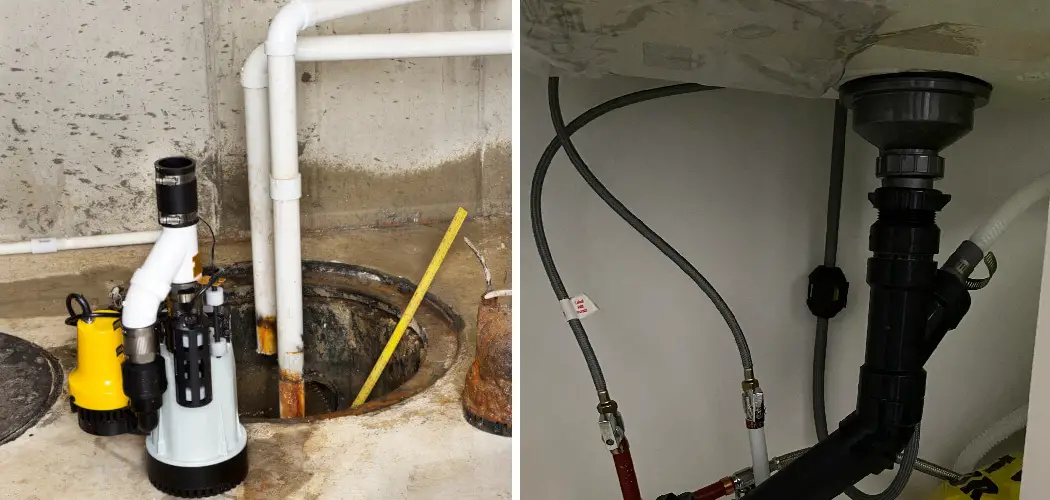
Banishing those Septic Smells: A DIY Guide
Okay, let's be honest. Septic smells are NOT fun. That awful, pungent odor creeping into your yard or even your house can be seriously embarrassing and, frankly, a bit terrifying. Before you call in the big guns (and the big bucks!), let's see if we can tackle this problem ourselves. This guide is all about DIY solutions to get rid of those pesky septic smells without breaking the bank. Remember, while these tips can help a lot, if the problem persists, it’s always best to call a professional.Understanding the Source of the Stench
The first step in fixing anything is understanding *why* it's broken. Septic smells usually come from one of a few common culprits:1. A Failing Septic System
This is the worst-case scenario. If your septic tank is overflowing, cracked, or simply too old, it won't be able to properly process wastewater. This leads to raw sewage backing up and releasing those truly unpleasant odors. This usually requires professional help, but we'll talk about some preventative measures you can take.
2. Clogged Drain Field
The drain field is where the treated wastewater from your septic tank is dispersed into the ground. If it becomes clogged with solids or roots, wastewater can back up and surface, releasing that familiar septic smell. This is often signaled by unusually wet or soggy patches of ground around your drain field.
3. Improper Ventilation
Your septic tank *needs* proper ventilation to prevent a buildup of sewer gases. If the vent pipe is clogged or damaged, gases can escape through other pathways, like cracks in the tank or even into your house. This can often manifest as a faint, musty smell.
4. Dry Septic Tank
This might seem counterintuitive, but a dry septic tank can actually be worse than a full one. Without enough water to break down the waste, solids can begin to dry out and release unpleasant odors. It’s more likely to happen if you have infrequent water use.
5. Garbage Disposal Issues
Putting too much garbage down your garbage disposal can overload your septic system. Avoid putting things like grease, coffee grounds, eggshells, and fibrous vegetables down the disposal, as these can clog your system.
DIY Solutions to Neutralize Septic Smells
Now that we've identified potential causes, let's talk about tackling those smells. Remember, these are temporary fixes, and addressing the root cause is crucial.1. Boost Beneficial Bacteria
Septic systems rely on bacteria to break down waste. You can buy septic tank treatments at most home improvement stores. These contain beneficial bacteria and enzymes that will aid the decomposition process. Follow the package instructions carefully.
2. Baking Soda and Vinegar Power Duo
This classic cleaning combo is surprisingly effective. Pour a cup of baking soda down your drains, followed by a cup of vinegar. Let it fizz for about 30 minutes, then flush with hot water. The baking soda neutralizes odors, while the vinegar helps break down clogs.
3. Enzyme Cleaners
Enzyme cleaners are specifically designed to break down organic waste. They're a more environmentally friendly alternative to harsh chemicals and can be especially helpful in preventing future smells.
4. Regularly Flush Your System
This might seem odd, but running a significant amount of water through your system periodically helps prevent clogs and maintain proper flow. Think a long shower, a load of laundry, or even running the hose for a bit.
5. Address Landscaping Issues
Make sure there are no plants or trees growing too close to your drain field. Their roots can easily penetrate and clog the pipes, contributing to backups and odors. Also, avoid compacting the soil around the drain field, as this can hinder drainage.
6. Check Your Vent Pipe
Locate your septic tank vent pipe (it usually looks like a short pipe sticking out of the ground). Make sure it's clear of debris and isn't blocked. You might need a long brush or snake to clear any clogs.
7. Air Fresheners (Temporary Fix)
While this doesn't address the underlying issue, strategically placing air fresheners or odor absorbers near the source of the smell can temporarily mask the odor. Look for products specifically designed to tackle strong smells.
8. Natural Odor Absorbers
Instead of harsh chemicals, consider using natural odor absorbers like activated charcoal, white vinegar in an open container, or bowls of baking soda strategically placed around the house or near the affected area. These help neutralize smells without harsh chemicals.
Preventative Maintenance â€" The Key to a Smell-Free Future
Prevention is always better than cure. Here are some simple steps you can take to avoid septic smells in the future:- Avoid flushing inappropriate items: This includes things like wipes (even "flushable" ones!), sanitary products, grease, and excessive amounts of paper towels.
- Limit the use of harsh chemicals: These can disrupt the delicate balance of bacteria in your septic system.
- Regularly inspect your system: Check for any signs of problems like wet spots in your yard or slow draining. Early detection can save you a lot of trouble (and expense).
- Schedule regular pumping: Septic tanks need to be pumped out every few years, depending on your household size and usage. Consult your local septic service for recommendations.
- Water Wisely: Consistent water use helps keep the system balanced. Avoid using too much water at once or letting it sit stagnant for long periods of time.
When to Call a Professional
Despite your best efforts, sometimes you just need the expertise of a professional. Call a septic service immediately if:- You notice sewage backing up into your house.
- You have persistently soggy or wet areas in your yard.
- The smell is particularly strong and doesn't improve after trying DIY solutions.
- You suspect a major problem with your septic tank or drain field.
Frequently Asked Questions
Q: How often should I pump my septic tank?
A: This depends on several factors, including household size and water usage. Typically, it's recommended every 3-5 years, but it's best to consult a professional for advice specific to your system.
Q: What can I do about a slow drain?
A: A slow drain could indicate a partial clog. Try using a plunger or a drain snake to clear the blockage. If the problem persists, you may need professional help.
Q: Are there any natural alternatives to septic tank treatments?
A: Yes! You can try adding things like yeast (which contains natural bacteria), or even pouring a bucket of untreated well water into your system (if you have access to one). However, these methods might not be as effective as commercially available products.
Q: My septic smell is coming from inside my house. What should I do?
A: This indicates a more serious problem, likely a sewer gas leak. You should immediately contact a plumbing professional to assess the situation and prevent health risks.
Q: How can I locate my septic tank?
A: Check your property records, look for a lid in your yard (they're often marked), or contact your local utility companies. They may have records of its location.
Remember, dealing with septic issues can be tricky, and it's always better to err on the side of caution. While these DIY tips can help manage minor smell problems, severe issues should always be addressed by professionals. Good luck, and happy smell-free living!
No comments:
Post a Comment
Note: Only a member of this blog may post a comment.