Tuesday, November 12, 2024
How to Treat Septic Tank Odor with Essential Oils
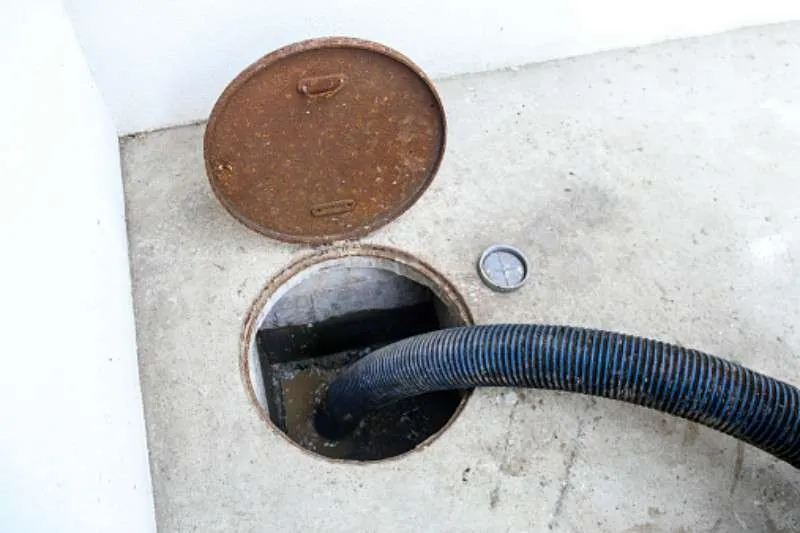
Treating Septic Tank Odor with Essential Oils: A Natural Approach
The presence of an unpleasant odor emanating from your septic system can be a source of discomfort and embarrassment. While traditional solutions like chemical odor eliminators exist, many homeowners seek natural alternatives. Essential oils, with their aromatic properties and potential antimicrobial effects, have gained popularity as a natural approach to combating septic tank odor.
It's important to emphasize that essential oils are not a substitute for proper septic system maintenance. Regular pump outs, avoiding flushing inappropriate items, and using appropriate cleaning agents are essential for maintaining a healthy septic system. However, essential oils can be a valuable tool to help neutralize odors and create a more pleasant environment.
Understanding Septic Tank Odor
The unpleasant odor associated with septic tanks is primarily caused by the breakdown of organic matter by bacteria in the tank. This process releases various volatile compounds, including hydrogen sulfide, ammonia, and mercaptans, which contribute to the characteristic "rotten egg" smell. The odor can become more pronounced if the tank is overloaded, improperly maintained, or experiencing issues with drainage.
Essential Oils for Septic Tank Odor Control
Certain essential oils are known for their ability to mask or neutralize unpleasant odors due to their strong aromas and potential antimicrobial properties. Some commonly used essential oils for septic tank odor control include:
Citrus Oils
Citrus oils like lemon, orange, and grapefruit are popular choices for their fresh, zesty scents. They are believed to help mask unpleasant odors and create a more pleasant environment. Lemon oil, in particular, is often used in cleaning products due to its antimicrobial properties.
Pine Oil
Pine oil is another common choice for septic tank odor control. Its woodsy, clean scent helps mask unpleasant odors. It also possesses antimicrobial properties that may contribute to odor reduction.
Tea Tree Oil
Known for its antifungal and antibacterial properties, tea tree oil can help combat the bacteria responsible for septic tank odor. Its strong, medicinal scent also helps to mask unpleasant smells.
Peppermint Oil
Peppermint oil is known for its refreshing, invigorating scent. It can help mask septic tank odors and provide a more pleasant environment. However, it's important to use it in moderation as its strong scent can be overpowering for some people.
Eucalyptus Oil
Eucalyptus oil has a distinct, medicinal aroma that can help mask septic tank odor. Its antimicrobial properties may also contribute to reducing the bacteria responsible for the odor.
How to Use Essential Oils for Septic Tank Odor Control
There are various methods for using essential oils to address septic tank odor. The most common methods are:
Direct Application
One method involves directly applying essential oils to the septic tank lid or vent. This can be done by soaking cotton balls or cloths in the desired essential oil and placing them near the tank lid or vent. The aroma of the essential oil will then be released into the air, helping to mask the unpleasant odors.
Homemade Septic Tank Deodorizer
You can create a homemade septic tank deodorizer using a combination of essential oils and other ingredients. Here's a simple recipe:
- 1 cup baking soda
- 1/2 cup borax
- 1/4 cup white vinegar
- 20-30 drops of your chosen essential oil(s)
Combine the ingredients in a jar and shake well. Sprinkle 1-2 tablespoons of the mixture down the toilet once a week or as needed to help neutralize odors.
Diffuser
Using an essential oil diffuser near the septic tank lid or vent can release the aroma of essential oils into the air, helping to mask the unpleasant smells.
Cleaning Solutions
You can add a few drops of essential oil to your regular cleaning solutions, such as toilet bowl cleaner or floor cleaner, to help freshen the bathroom and mask septic tank odors.
Important Considerations and Safety Tips
While essential oils can be a natural and effective approach to treating septic tank odor, it's crucial to consider the following points:
- Dilution: Always dilute essential oils before using them, especially when applying them directly to surfaces or around the septic tank. Undiluted essential oils can be irritating to skin and sensitive surfaces. Consult a reputable source for safe dilution ratios.
- Sensitivity: Individuals may have sensitivities or allergies to specific essential oils. It's advisable to test a small area first before using them extensively.
- Septic Tank Maintenance: Essential oils are not a substitute for proper septic tank maintenance. Regular pump outs, avoiding flushing inappropriate items, and using appropriate cleaning agents are essential for a healthy septic system.
- Professional Advice: If you're experiencing persistent or severe septic tank odor, it's recommended to consult a qualified septic system professional. They can diagnose any underlying issues and provide appropriate solutions.
Conclusion
Essential oils can be a valuable tool in the fight against septic tank odor, offering a natural and pleasant approach to create a more comfortable environment. Remember that they are not a substitute for proper septic system maintenance, and it's crucial to use them responsibly and in accordance with safety guidelines. With careful consideration and proper application, essential oils can effectively help mask unpleasant odors and create a fresher, more enjoyable atmosphere around your home.

No comments:
Post a Comment
Note: Only a member of this blog may post a comment.