Tuesday, November 12, 2024
How to Manage Septic Tank Smell in Your Home with Minimal Effort
So, you're dealing with that dreaded septic tank smell, huh? It's like a unwelcome guest that just won't leave, right? Don't worry, you're not alone! It's a common problem, and trust me, there are way easier solutions than digging up your entire yard.
Let's face it, a septic system is like a hidden world under your house â€" doing its thing, breaking down waste, and (hopefully!) keeping things smelling fresh. But sometimes, that system gets a little... off and starts letting out those unpleasant aromas.
Before we dive into the solutions, let's talk about the why.
The Smelly Truth: Why Your Septic Tank is Stinking
Overflowing tank: Think of your septic tank like a bathtub. If you fill it beyond capacity, things are going to get messy. The same goes for your tank â€" when it gets too full, waste can start backing up and creating that familiar, uh, aroma.
Failing parts: Your septic system is made up of several components, including the tank itself, the drainfield, and the pipes connecting them. If any of these parts are damaged or failing, it can lead to leaks and backups.
Poor ventilation: Your septic tank needs to breathe. If the vent stack (the pipe that connects the tank to the outside) gets blocked or damaged, it can cause pressure buildup and push those unwanted smells into your home.
Not enough bacteria: Believe it or not, good bacteria are essential for keeping your septic tank in good shape. They break down the waste and help keep things clean. If the bacteria population gets too low, it can lead to slow draining, odors, and a host of other problems.
Too much "food" for the bacteria: Have you been using a lot of harsh chemicals like bleach and disinfectants in your home? These chemicals can actually kill the beneficial bacteria in your septic tank, leaving them less able to do their job.
How to Fight Back: Solutions for a Smeller-Free Home
Now, let's get to the good stuff - fixing that stink! Here's a game plan, from simple fixes to more involved solutions:
The Easy Peasy, No-Sweat Solutions
Smell-slaying scents: Use a potpourri, essential oils, or a scented candle in the affected area. You can even try strategically placed baking soda bowls â€" it's a great odor absorber!
Air it out: Open windows to ventilate the house, especially after showering, doing laundry, or running the dishwasher.
Give it a good scrub: Clean your floors and surfaces regularly with a disinfectant cleaner. You might be surprised how much a good clean can mask the smell.
The power of baking soda: Mix a cup of baking soda with a gallon of hot water and pour it down the drain. Let it sit for 30 minutes, then flush with hot water. The baking soda helps neutralize odors and can even break down some clogs.
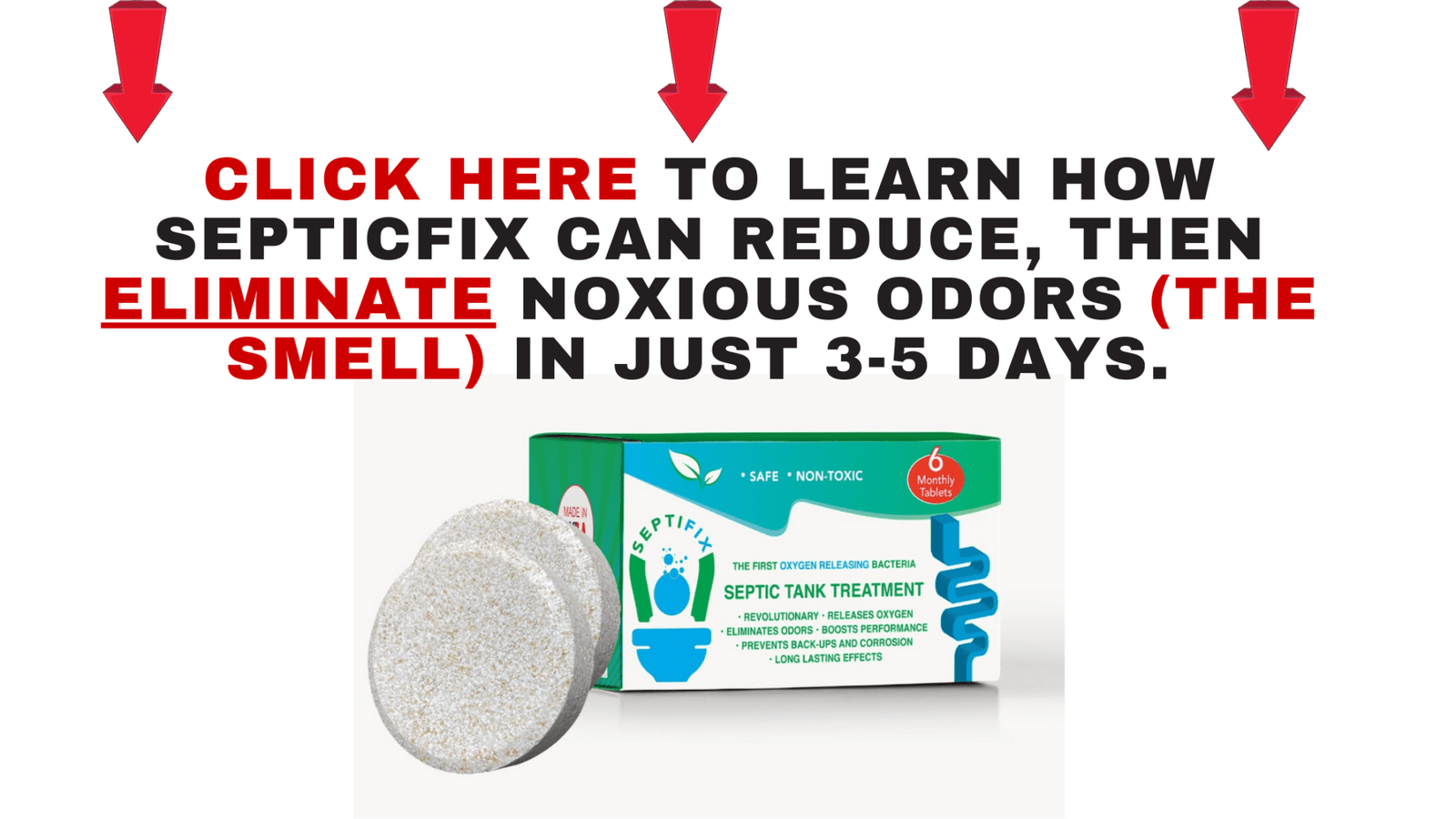
Invest in a septic tank treatment: These are available at hardware stores and often contain beneficial bacteria to help keep your tank healthy. Follow the instructions carefully for optimal results.
Moving Beyond the Basics: For More Persistent Stinkers
Check the vent stack: Make sure the vent stack is clear and unobstructed. If it's clogged, you'll need to clean it or call a plumber for assistance.
Inspect the drainfield: Look for any signs of water pooling, soggy soil, or excessive vegetation around the drainfield. These could indicate a drainage problem, and you'll need to call a professional.
Address the culprit: If the smell seems to be coming from a specific drain or fixture, try pouring a cup of baking soda down the drain, followed by a cup of vinegar. Let it fizz for a few minutes, then flush with hot water.
Call a professional: If you're not comfortable tackling the problem yourself, call a qualified septic tank service. They can inspect your system, identify the cause of the smell, and recommend the best course of action.
Preventing the Problem in the First Place
The best way to deal with septic tank smells? Avoid them altogether! Here's how:
Don't flush those "no-nos": Avoid flushing things like baby wipes, feminine hygiene products, paper towels, and even toilet paper labeled "flushable." These items can clog your system and lead to serious problems.
Be mindful of water usage: Take shorter showers, use less water in the laundry, and try to minimize toilet flushes.
Use septic-safe cleaners: Opt for cleaners specifically designed for septic systems. These cleaners are formulated to be gentle on the bacteria in your tank and help prevent odors.
Schedule regular maintenance: Have your septic tank pumped every 3-5 years, or more frequently if you have a large family. Regular maintenance helps keep your tank operating efficiently and reduces the risk of odor problems.
The Bottom Line
Septic tank odors can be a real nuisance, but they don't have to ruin your life. With a little effort and the right knowledge, you can banish those smelly intruders from your home and keep your system running smoothly for years to come.
Remember, if you're unsure about anything, don't hesitate to call a professional. They can help you diagnose the problem and find the most effective solution. So, breathe easy, and enjoy a fresh-smelling home!

No comments:
Post a Comment
Note: Only a member of this blog may post a comment.