Tuesday, November 12, 2024
How to Reduce Odor from Septic Tank with Pumping and Treatment
Banishing the Stink: How to Reduce Septic Tank Odor with Pumping and Treatment
Let's face it, nobody wants their home smelling like a, well, septic tank. That unmistakable scent can be a major nuisance, not to mention a little embarrassing if you're having company over. But fear not, because there are proven ways to combat those unpleasant odors and reclaim the fresh air in your home. Today we're diving into the world of septic tank maintenance and how to tackle those lingering smells.
The Root of the Problem: Understanding Septic Tank Odors
To effectively combat those odors, we need to understand where they're coming from. Septic tanks work by using bacteria to break down waste. The problem arises when the tank becomes overloaded or the bacteria struggle to do their job. This can lead to a buildup of smelly gases that can escape through vents, pipes, and even cracks in the ground.
Common Causes of Septic Tank Odors:
- Overloading: Too much waste in the tank puts a strain on the bacteria, hindering their ability to break things down.
- Poor Maintenance: Septic tanks need regular pumping to remove the solid waste that settles at the bottom. If this doesn't happen, the tank can become clogged and the bacteria can't do their work.
- System Issues: Cracks in the tank, leaking pipes, or a faulty vent system can allow gases to escape into your home.
The Power of Pumping: Flushing Out the Stink
Regular septic tank pumping is crucial for reducing odor. Think of it as a spring cleaning for your underground waste management system. It removes the built-up solids, giving the bacteria more space and allowing them to work more efficiently.
How Often Should You Pump?
There's no one-size-fits-all answer, as frequency depends on factors like tank size, household size, and wastewater usage. But as a general rule of thumb, you should aim to pump your septic tank every 3-5 years. If you notice any odor, slow drains, or gurgling sounds, it might be time to call in a professional.
Boosting the Bacteria: Adding Septic Tank Treatments
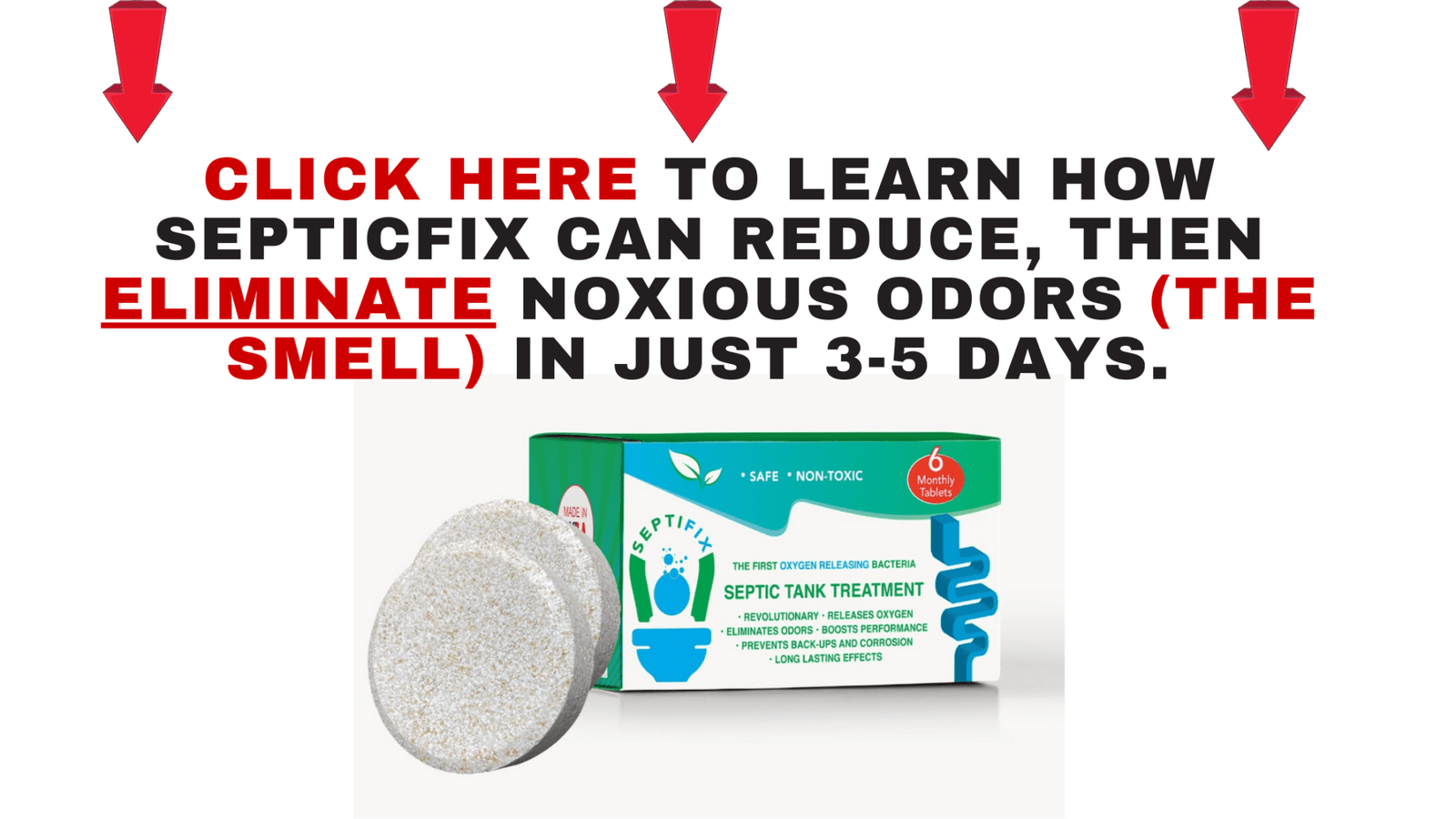
Septic tank treatments are like giving your bacteria a little extra boost. These products contain beneficial bacteria and enzymes that help break down waste faster, reducing the amount of solids that can build up and create those stinky gases.
Types of Septic Tank Treatments
- Bacterial Additives: These contain live bacteria that are specifically designed to break down organic waste.
- Enzyme-Based Treatments: These use enzymes to break down waste at a molecular level, making it easier for the bacteria to handle.
- Combination Treatments: Some treatments combine both bacteria and enzymes for maximum effectiveness.
Choosing the Right Treatment
It's essential to select a treatment that's specifically designed for septic tanks. Read the label carefully to make sure it's compatible with your system. You can also consult a professional for recommendations tailored to your tank and local conditions.
Beyond Pumping and Treatment: Other Steps to Reduce Odors
While pumping and treatments are essential, there are other things you can do to minimize odor in your home. It's all about working with your septic system, not against it.
Smart Usage Habits
- Limit Flushable Wipes: These wipes can clog pipes and contribute to tank overload, ultimately leading to odors.
- Avoid Flushing Grease and Oils: These substances can create a solid layer in the tank, making it difficult for bacteria to work properly.
- Dispose of Medications Properly: Never flush medications down the toilet. They can harm the bacteria and cause environmental issues.
- Keep the Drain Field Area Clear: The drain field is where the treated wastewater is released. Avoid planting trees or other plants with deep roots that could damage the system.
Maintaining Your System: A Crucial Element
Regular maintenance is vital for a healthy and odor-free septic system. Here are a few key steps:
- Inspect Your System: Look for any signs of damage, leaks, or cracks. If you notice anything unusual, it's best to call in a professional.
- Check the Vent: The vent pipe is essential for releasing gases from the tank. Make sure it's free of obstructions and properly vented to the outside air.
- Schedule Regular Inspections: Just like your car, your septic system needs regular check-ups. A professional can assess the system's health and ensure it's working efficiently.
The Bottom Line: Preventing Problems
Septic tank odors are a sign that something is amiss with your system. By taking a proactive approach to maintenance, including regular pumping, using septic tank treatments, and following smart usage habits, you can effectively prevent unpleasant smells from infiltrating your home. Remember, a well-maintained septic system is a healthy septic system, and a healthy septic system means a happy and odor-free home.

No comments:
Post a Comment
Note: Only a member of this blog may post a comment.