Friday, November 22, 2024
The Natural Remedies I Used to Eliminate Septic Tank Odor for Good

The Natural Remedies I Used to Eliminate Septic Tank Odor for Good
The pungent aroma emanating from a malfunctioning septic system is not merely unpleasant; it's a clear indication of a serious problem. The smell, often described as a combination of sulfur, sewage, and rotten eggs, is not only offensive but can also pose health risks. While professional intervention is sometimes necessary, I discovered that a combination of natural remedies proved remarkably effective in eliminating the septic tank odor from my property permanently. This approach, detailed below, combines readily available, environmentally friendly methods to address the issue at its source, preventing recurring problems and improving overall property hygiene.
Understanding the Source of Septic Tank Odor
Before delving into the solutions, it's crucial to understand the root causes of septic tank odor. The unpleasant smell originates from the anaerobic decomposition of organic matter within the septic tank. This process produces various gases, including hydrogen sulfide, the primary contributor to the characteristic "rotten egg" smell. These gases escape through vents, cracks in the tank or pipes, and even the soil surrounding the system if it's not properly maintained. The severity of the odor is directly related to the efficiency of the septic system and the level of bacterial activity within the tank.
Common Contributing Factors
Several factors contribute to the buildup of odor-causing gases and the subsequent emanation of foul smells. These include:
- Insufficient bacterial activity: A lack of beneficial bacteria hinders the proper breakdown of organic waste, leading to increased accumulation of smelly byproducts.
- Overloading the system: Excessive waste, improper disposal of certain materials (e.g., excessive grease, chemicals), or infrequent pumping can overwhelm the system's capacity, resulting in backup and odor.
- Clogged drainfields: If the drainfield, responsible for filtering the effluent, becomes clogged with solids or impacted by poor soil drainage, wastewater can back up, leading to significant odor problems.
- Cracks or leaks: Damage to the septic tank or pipes allows gases to escape into the surrounding environment, exacerbating the odor problem.
- Improper ventilation: Inadequate ventilation prevents the escape of gases in a controlled manner, leading to a buildup of pressure and subsequent release of odor through unintended routes.
Natural Remedies for Septic Tank Odor Elimination
My approach to eliminating the septic tank odor involved a multi-pronged strategy focusing on enhancing bacterial activity, addressing potential clogs, and improving overall system functionality. I avoided harsh chemicals, opting instead for natural, environmentally friendly methods. The following steps were crucial to my success:
Enhancing Bacterial Activity with Natural Microorganisms
The cornerstone of my solution involved introducing beneficial bacteria to the septic tank. These microorganisms are crucial for the efficient breakdown of organic waste. Instead of purchasing commercial products, which can be expensive and potentially contain harmful chemicals, I chose a natural approach:
- Yeast: A small amount of active dry yeast, introduced regularly into the toilet, provides a readily available food source for the beneficial bacteria. This encourages their growth and enhances their effectiveness in decomposing organic waste.
- Baking soda: Periodically adding a cup of baking soda to the toilet helps neutralize acidic conditions within the tank, creating a more favorable environment for bacterial growth. This also helps to counteract the sulfurous smell.
This combined approach significantly improved the bacterial activity within the system, leading to a more efficient breakdown of waste and a reduction in odor-producing gases.
Addressing Potential Clogs with Natural Drain Cleaners
While not directly addressing the septic tank itself, addressing potential clogs within the house plumbing system can indirectly contribute to odor reduction by preventing backups and blockages that could eventually stress the septic system. I employed the following:
- Boiling water: Pouring a kettle of boiling water down drains regularly helps break down grease and organic matter, preventing slow drains and potential clogs. This prevents build-up before it ever reaches the septic tank.
- Baking soda and vinegar: The classic combination of baking soda and vinegar creates a fizzing reaction that effectively dislodges minor blockages in pipes. This natural cleaner is safe for plumbing and septic systems.
Improving Soil Drainage and Aeration
The efficiency of the drainfield is paramount to preventing odor. Ensuring proper soil drainage and aeration is vital to the system's overall function. I focused on:
- Avoiding overloading the system: Limiting the amount of water used for laundry and showers, minimizing the use of garbage disposals, and refraining from flushing inappropriate materials (such as grease, wipes, or feminine hygiene products) reduced the strain on the system and prevented clogging.
- Monitoring and maintaining the leach field: I carefully monitored the leach field area for any signs of saturation or pooling water. Proper landscaping is critical; avoiding planting heavy vegetation above the drain field ensures adequate drainage and prevents compaction.
Maintaining a Healthy Septic System: Long-Term Strategies
Eliminating septic tank odor is not a one-time event; it requires consistent maintenance and proactive management. The following strategies are crucial for long-term odor control:
- Regular pumping: Professional septic tank pumping should be scheduled at regular intervals, typically every 3-5 years, depending on usage and tank size. This prevents the accumulation of sludge and scum, which are primary contributors to odor.
- Professional inspection: Periodic inspections by a qualified septic system technician can identify potential problems early on, preventing minor issues from escalating into major odor problems.
- Education and awareness: Educating household members about proper waste disposal practices is essential to prevent overloading the system and causing future odor issues.
By adopting these natural remedies and implementing consistent maintenance practices, I successfully eliminated the persistent septic tank odor from my property. This approach is not only effective but also environmentally friendly, ensuring a healthier and more pleasant living environment.
Disclaimer: While these natural remedies proved effective in my specific situation, the severity of septic system issues varies. If the odor persists despite these efforts, or if you suspect a more serious problem (e.g., a leak or major blockage), it's essential to consult with a qualified septic system professional for diagnosis and repair.

Wednesday, November 20, 2024
How Do I Fix Septic Smells Without Expensive Services?
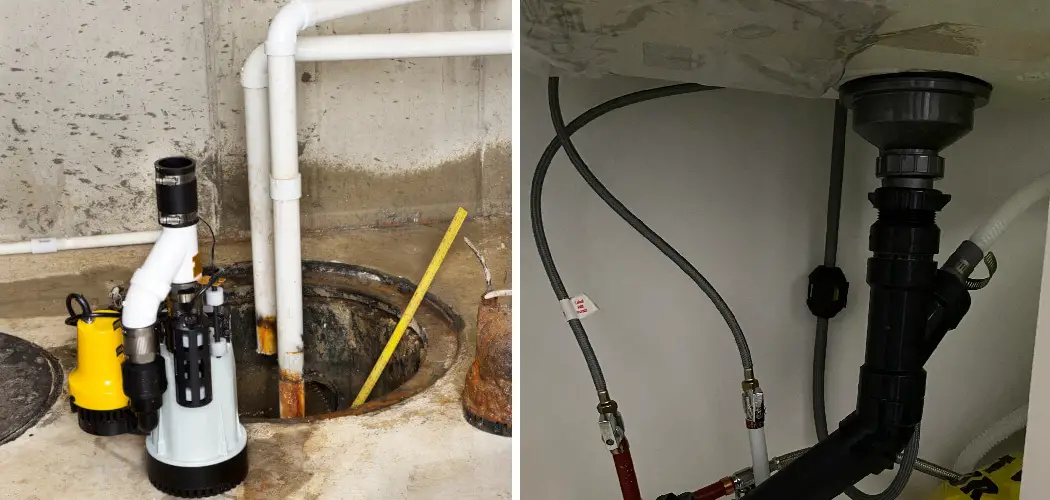
Banishing those Septic Smells: A DIY Guide
Okay, let's be honest. Septic smells are NOT fun. That awful, pungent odor creeping into your yard or even your house can be seriously embarrassing and, frankly, a bit terrifying. Before you call in the big guns (and the big bucks!), let's see if we can tackle this problem ourselves. This guide is all about DIY solutions to get rid of those pesky septic smells without breaking the bank. Remember, while these tips can help a lot, if the problem persists, it’s always best to call a professional.Understanding the Source of the Stench
The first step in fixing anything is understanding *why* it's broken. Septic smells usually come from one of a few common culprits:1. A Failing Septic System
This is the worst-case scenario. If your septic tank is overflowing, cracked, or simply too old, it won't be able to properly process wastewater. This leads to raw sewage backing up and releasing those truly unpleasant odors. This usually requires professional help, but we'll talk about some preventative measures you can take.
2. Clogged Drain Field
The drain field is where the treated wastewater from your septic tank is dispersed into the ground. If it becomes clogged with solids or roots, wastewater can back up and surface, releasing that familiar septic smell. This is often signaled by unusually wet or soggy patches of ground around your drain field.
3. Improper Ventilation
Your septic tank *needs* proper ventilation to prevent a buildup of sewer gases. If the vent pipe is clogged or damaged, gases can escape through other pathways, like cracks in the tank or even into your house. This can often manifest as a faint, musty smell.
4. Dry Septic Tank
This might seem counterintuitive, but a dry septic tank can actually be worse than a full one. Without enough water to break down the waste, solids can begin to dry out and release unpleasant odors. It’s more likely to happen if you have infrequent water use.
5. Garbage Disposal Issues
Putting too much garbage down your garbage disposal can overload your septic system. Avoid putting things like grease, coffee grounds, eggshells, and fibrous vegetables down the disposal, as these can clog your system.
DIY Solutions to Neutralize Septic Smells
Now that we've identified potential causes, let's talk about tackling those smells. Remember, these are temporary fixes, and addressing the root cause is crucial.1. Boost Beneficial Bacteria
Septic systems rely on bacteria to break down waste. You can buy septic tank treatments at most home improvement stores. These contain beneficial bacteria and enzymes that will aid the decomposition process. Follow the package instructions carefully.
2. Baking Soda and Vinegar Power Duo
This classic cleaning combo is surprisingly effective. Pour a cup of baking soda down your drains, followed by a cup of vinegar. Let it fizz for about 30 minutes, then flush with hot water. The baking soda neutralizes odors, while the vinegar helps break down clogs.
3. Enzyme Cleaners
Enzyme cleaners are specifically designed to break down organic waste. They're a more environmentally friendly alternative to harsh chemicals and can be especially helpful in preventing future smells.
4. Regularly Flush Your System
This might seem odd, but running a significant amount of water through your system periodically helps prevent clogs and maintain proper flow. Think a long shower, a load of laundry, or even running the hose for a bit.
5. Address Landscaping Issues
Make sure there are no plants or trees growing too close to your drain field. Their roots can easily penetrate and clog the pipes, contributing to backups and odors. Also, avoid compacting the soil around the drain field, as this can hinder drainage.
6. Check Your Vent Pipe
Locate your septic tank vent pipe (it usually looks like a short pipe sticking out of the ground). Make sure it's clear of debris and isn't blocked. You might need a long brush or snake to clear any clogs.
7. Air Fresheners (Temporary Fix)
While this doesn't address the underlying issue, strategically placing air fresheners or odor absorbers near the source of the smell can temporarily mask the odor. Look for products specifically designed to tackle strong smells.
8. Natural Odor Absorbers
Instead of harsh chemicals, consider using natural odor absorbers like activated charcoal, white vinegar in an open container, or bowls of baking soda strategically placed around the house or near the affected area. These help neutralize smells without harsh chemicals.
Preventative Maintenance â€" The Key to a Smell-Free Future
Prevention is always better than cure. Here are some simple steps you can take to avoid septic smells in the future:- Avoid flushing inappropriate items: This includes things like wipes (even "flushable" ones!), sanitary products, grease, and excessive amounts of paper towels.
- Limit the use of harsh chemicals: These can disrupt the delicate balance of bacteria in your septic system.
- Regularly inspect your system: Check for any signs of problems like wet spots in your yard or slow draining. Early detection can save you a lot of trouble (and expense).
- Schedule regular pumping: Septic tanks need to be pumped out every few years, depending on your household size and usage. Consult your local septic service for recommendations.
- Water Wisely: Consistent water use helps keep the system balanced. Avoid using too much water at once or letting it sit stagnant for long periods of time.
When to Call a Professional
Despite your best efforts, sometimes you just need the expertise of a professional. Call a septic service immediately if:- You notice sewage backing up into your house.
- You have persistently soggy or wet areas in your yard.
- The smell is particularly strong and doesn't improve after trying DIY solutions.
- You suspect a major problem with your septic tank or drain field.
Frequently Asked Questions
Q: How often should I pump my septic tank?
A: This depends on several factors, including household size and water usage. Typically, it's recommended every 3-5 years, but it's best to consult a professional for advice specific to your system.
Q: What can I do about a slow drain?
A: A slow drain could indicate a partial clog. Try using a plunger or a drain snake to clear the blockage. If the problem persists, you may need professional help.
Q: Are there any natural alternatives to septic tank treatments?
A: Yes! You can try adding things like yeast (which contains natural bacteria), or even pouring a bucket of untreated well water into your system (if you have access to one). However, these methods might not be as effective as commercially available products.
Q: My septic smell is coming from inside my house. What should I do?
A: This indicates a more serious problem, likely a sewer gas leak. You should immediately contact a plumbing professional to assess the situation and prevent health risks.
Q: How can I locate my septic tank?
A: Check your property records, look for a lid in your yard (they're often marked), or contact your local utility companies. They may have records of its location.
Remember, dealing with septic issues can be tricky, and it's always better to err on the side of caution. While these DIY tips can help manage minor smell problems, severe issues should always be addressed by professionals. Good luck, and happy smell-free living!Tuesday, November 19, 2024
How Can I Keep My Yard Free from Septic Tank Odor?
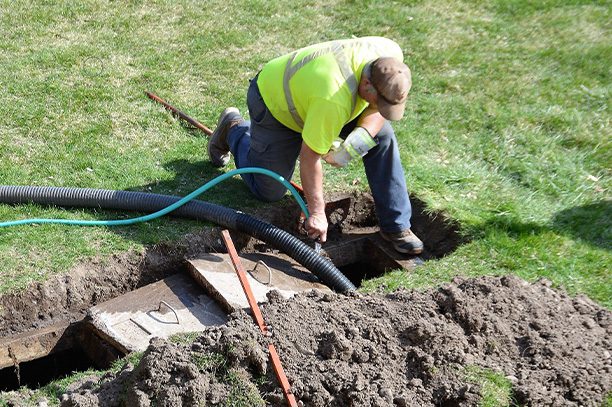
Banishing That Septic Smell: A Guide to a Fresh-Smelling Yard
Let's be honest, nobody wants their yard smelling like a… well, you know. A septic tank odor is not only unpleasant, it can be a real sign that something's not quite right with your system. But don't panic! It's usually fixable, and with a little know-how, you can get that fresh air back into your outdoor space. This guide will walk you through everything you need to know about keeping your yard free from that unwelcome septic smell.Understanding the Source of the Problem
Before we dive into solutions, it's crucial to understand *why* you're smelling your septic tank. The smell usually means there's a problem with your system, and ignoring it can lead to bigger, more expensive issues down the road. The most common culprits are:
- Leaks: Cracks or holes in your septic tank or pipes allow sewage to seep into the soil, leading to that awful smell. Think of it like a leaky faucet â€" a small drip can eventually become a major flood (of odor, in this case!).
- Clogged Drain Field: Your drain field is the area where the treated wastewater from your tank disperses into the ground. If it becomes clogged with solids or roots, wastewater backs up, leading to surface seepage and odor.
- Improper Installation or Maintenance: If your septic system wasn't installed correctly, or if it hasn't been regularly inspected and pumped, it's more likely to develop problems and produce odors.
- High Water Table: If the water table is high in your area, it can interfere with the drainage of your septic system, causing backups and odors.
- Overloading the System: Using excessive amounts of water or flushing things that shouldn't go down the toilet (like wipes, feminine hygiene products, or grease) can overwhelm your system and contribute to odors.
Troubleshooting and Solutions
So, you've got that icky smell. Now what? Let's tackle this step by step.
Inspecting Your System
The first step is to visually inspect your septic system. Look for any obvious signs of problems like:
- Soggy or unusually lush patches of grass over your drain field â€" this could indicate sewage seeping to the surface.
- Visible cracks or damage to your septic tank or pipes.
- Standing water near your septic tank.
Important Note: Don't get too close to the tank itself! Septic tanks contain harmful bacteria and gases. A visual inspection from a safe distance is sufficient.
Addressing Common Issues
Once you've done a visual inspection, you might have a better idea of what's causing the problem. Here's how to address some common issues:
Leaks and Cracks
Leaks and cracks are serious and need professional attention. Do not attempt to repair these yourself. A qualified septic system professional can assess the damage and recommend the best course of action, which might involve patching, replacing sections of pipe, or even replacing the entire tank.
Clogged Drain Field
A clogged drain field can often be addressed by a professional who can use specialized equipment to clear blockages. They might also recommend aeration to improve drainage. In severe cases, a new drain field might be necessary.
Overloading the System
This is often the easiest problem to fix. Make sure you're not overloading your septic system by:
- Avoiding flushing inappropriate items: Stick to toilet paper and human waste. Everything else goes in the trash.
- Being mindful of water usage: Shorter showers, fixing leaky faucets, and using water-efficient appliances can all help.
- Using septic-safe products: There are products available that can help maintain the health of your septic system. Always follow product instructions carefully.
High Water Table
Dealing with a high water table is trickier and often requires professional intervention. They might recommend a different type of septic system, or suggest ways to improve drainage around your tank.
Maintaining a Fresh-Smelling Yard: Preventative Measures
Prevention is key! Here are some steps you can take to keep your yard smelling fresh and your septic system functioning properly:
- Regular Pumping: Schedule regular pumping of your septic tank. The frequency depends on the size of your tank and the number of people in your household, but generally, it's recommended every 3-5 years. Your septic professional can advise you on the appropriate schedule.
- Avoid Planting Trees Over Your Drain Field: Tree roots can grow into your drain field pipes, causing clogs and backups. Keep the area clear of large vegetation.
- Regular Inspections: Have your septic system inspected regularly by a qualified professional. This can help catch potential problems early before they become major (and smelly) issues.
- Proper Landscaping: Avoid compacting the soil around your septic system. Compacted soil can hinder drainage. Use appropriate landscaping techniques to promote good drainage.
- Educate Your Household: Make sure everyone in your house knows what should and shouldn't be flushed down the toilet.
When to Call a Professional
If you've tried some of the suggestions above and the smell persists, or if you notice other signs of septic system trouble, it's time to call a qualified septic system professional. Ignoring problems can lead to more extensive and expensive repairs down the line.
Commonly Asked Questions
Q: How often should I pump my septic tank?
A: This depends on the size of your tank and the number of people in your household. Generally, every 3-5 years is recommended, but a professional can advise you on a suitable schedule for your specific needs.
Q: What should I do if I see sewage bubbling up in my yard?
A: This is a serious issue and requires immediate professional attention. Do not attempt to fix it yourself. Contact a septic professional right away.
Q: Can I use chemicals to deodorize my septic system?
A: While some septic-safe products claim to deodorize, overuse of chemicals can actually harm the beneficial bacteria in your tank. It's better to address the underlying problem than mask the smell.
Q: How much does septic tank repair cost?
A: The cost of septic tank repair or replacement varies greatly depending on the extent of the damage, the location of your tank, and local labor costs. It's best to contact a professional for an accurate estimate.
Q: What should I do if I suspect a leak?
A: Don't try to fix a leak yourself. Call a septic system professional immediately for inspection and repair.
Dealing with a smelly septic system can be frustrating, but by understanding the potential causes, taking preventative measures, and calling in the professionals when needed, you can keep your yard smelling fresh and your septic system functioning properly for years to come.
Sunday, November 17, 2024
How to Address Septic Tank Odors in Your Yard: Common Causes

Tackling Those Unpleasant Septic Tank Odors in Your Yard
Let's face it, nobody wants to be greeted by a wave of unpleasant smells when they step outside their home. A strong, sewage-like odor in your yard is a clear sign that something isn't right with your septic system. While it might seem like a daunting problem, it's not something you have to live with. Understanding the common causes of septic tank odors and taking the right steps can help you get rid of them for good.
Think of your septic system as a mini-ecosystem. It's designed to break down wastewater through a series of biological processes. But just like any ecosystem, it can become unbalanced and throw off its natural harmony. When this happens, you're likely to start smelling the unpleasant results.
Common Culprits Behind Septic Tank Odors
Let's dive into the most common reasons why your yard might be smelling like a sewer:
1. A Full Septic Tank
Think of your septic tank as a giant, underground container where wastewater goes to be processed. Just like a garbage can, if it gets too full, things start overflowing. In the case of a septic tank, when it's overloaded, it can lead to a back-up of solids and liquids. These overflowed materials can release a strong, unpleasant odor that you'll smell in your yard.
Here's a tip: A properly functioning septic tank should be pumped out every 3-5 years. If you're unsure of when your last pumping was, it's best to check and make sure it's not a case of a full tank.
2. Leaks and Cracks in Your Septic System
Imagine your septic system as a network of pipes and tanks. If any of these components develop cracks or leaks, wastewater can seep out and release those unwanted odors. These leaks can occur in the septic tank itself, the drain field lines, or the pipes connecting them. Cracks can develop over time due to shifting ground, tree roots, or even aging infrastructure. This can lead to a constant, unpleasant odor emanating from the area.
To prevent leaks and cracks: Regularly inspect your system for any signs of damage. If you notice any cracks or signs of leaks, call a qualified septic contractor immediately. Addressing these issues quickly can help prevent costly repairs down the road.
3. Clogged Drainfield Lines
The drainfield is the area where the treated wastewater from your septic tank flows into the ground. This process requires proper drainage, and if the drainfield lines become clogged, you've got a problem. Clogging can occur due to a buildup of solids, tree roots invading the lines, or even heavy rainfall that overwhelms the system. A clogged drainfield can cause wastewater to back up and create a smelly situation.
To prevent clogs: Avoid using harsh chemicals in your plumbing, as they can damage the bacteria in your septic system that help break down wastewater. Keep an eye out for potential blockages like tree roots. If you suspect a drainfield clog, call a professional to assess the issue and get it fixed.
4. Problems with Your Septic Tank Baffle
Inside your septic tank, there's a baffle, which is a structure that separates the solid waste from the liquid wastewater. This is a vital part of the process. If the baffle gets damaged, cracked, or clogged, the solids can escape into the drainfield and create a backup. This can result in smelly odors rising to the surface.
To prevent baffle problems: Get your septic system inspected by a professional every few years. They can identify any issues with the baffle and address them before they become a serious problem.
5. Improper Landscaping and Yard Maintenance
Believe it or not, how you landscape your yard can have a big impact on your septic system and its odors. Planting trees too close to your septic tank or drainfield can cause their roots to invade the lines, leading to blockages and leaks. It's also important to avoid building structures like patios or decks over your septic system. These structures can block airflow and prevent the system from functioning properly, making odors worse.
To prevent landscaping issues: Plant trees and shrubs at a safe distance from your septic system. Keep heavy foot traffic away from the drainfield. Avoid adding excessive organic matter like leaves and grass clippings to the soil near your septic system, as it can contribute to clogging.
Finding the Source and Solving the Septic Tank Odor Mystery
So, you've got a smelly problem. How do you find the source and solve it? Here's a step-by-step approach:
- Inspect your septic tank: Check for signs of a full tank, like a visible sludge level in the tank or a strong odor coming directly from the tank's lid.
- Check your drainfield: Look for any signs of saturation or pooling water around the drainfield area. Inspect the drainfield lines for any visible cracks or leaks.
- Look for signs of leaks: Look for any cracks or breaks in your septic system pipes, especially around the area where they connect to your house or the septic tank.
- Inspect the landscaping: Look for trees or shrubs that are growing too close to your septic system. See if any structures are blocking airflow to the drainfield area.
- Call a professional: If you're unable to identify the source of the odor, it's always a good idea to call a qualified septic contractor. They have the expertise and tools to diagnose the problem and recommend the best solution.
Prevention is Key: Maintaining Your Septic System
Keeping your septic system in tip-top shape can prevent odors in the first place. Here are some proactive steps you can take:
- Regular Inspections: Get your septic system inspected by a qualified professional every 1-3 years.
- Regular Pumping: Pump your septic tank every 3-5 years or as needed based on your usage.
- Proper Plumbing Habits: Avoid flushing things like grease, hair, and other non-biodegradable materials down your drains.
- Smart Landscaping: Maintain a safe distance between your septic system and trees and shrubs. Avoid building structures over the drainfield area.
- Regular Maintenance: Keep your drainfield area clear of debris and vegetation.
Commonly Asked Questions
1. What do I do if my septic system is overflowing?
Call a qualified septic contractor immediately! An overflow situation can be serious and requires prompt professional attention to prevent further damage and contamination.
2. How can I tell if my drainfield is clogged?
Look for signs of saturation or pooling water around the drainfield area. Check for slow draining sinks or toilets, and listen for gurgling noises in the plumbing. If you suspect a clog, it's best to have it inspected by a professional.
3. Should I use chemicals in my septic system?
Generally, it's best to avoid using harsh chemicals in your septic system. They can damage the beneficial bacteria that help break down wastewater. If you're concerned about your septic system, consult a qualified professional for advice.
4. What are some signs that my septic system is failing?
Besides foul odors, other signs of a failing septic system include:
- Slow draining sinks and toilets
- Gurgling noises in the plumbing
- Pooling water around the drainfield area
- Green, lush grass growing over the drainfield area (this can indicate a backup)
- Sewage smell in the house
5. How can I prevent my septic tank from overflowing?
Follow these tips:
- Pump your septic tank regularly (every 3-5 years).
- Avoid flushing grease, hair, and other non-biodegradable materials down your drains.
- Limit water usage, especially when it comes to laundry and dishwashing.
Remember, a well-maintained septic system is essential for a healthy and pleasant environment. By understanding the common causes of odors, taking preventive measures, and calling in a professional when needed, you can tackle those unpleasant smells and keep your septic system functioning smoothly for years to come.
Saturday, November 16, 2024
Preventing and Eliminating Septic Tank Smells: The Ultimate Guide

Preventing and Eliminating Septic Tank Smells: The Ultimate Guide
Hey there! So, you're dealing with a stinky situation, huh? Septic tank smells can be a real pain. They can linger in your house, follow you outside, and make your life generally unpleasant. But don’t worry! You're not alone, and there are definitely solutions. This comprehensive guide is all about taking control and banishing those unwanted odors. We'll cover everything from understanding the source of the problem to prevention strategies and even some tried-and-true remedies.Understanding the Source of the Problem
First things first, let's get to the bottom of why your septic tank is making your nose wrinkle. Septic systems are designed to break down waste using bacteria, but sometimes things go awry. Here are the usual suspects:1. Overflowing Septic Tank
If your tank is full, it's like a bathtub overflowing with wastewater. The bacteria can't keep up, and the smell is a sign that waste is being released into your drain field, which is a big no-no.
2. Leaky Pipes or Connections
Cracks or breaks in your pipes or connections can lead to sewage escaping and releasing those pungent aromas.
3. Drain Field Issues
The drain field is where the treated wastewater finally gets absorbed. If it's clogged or not working properly, the sewage can back up and cause odors.
4. Improper Ventilation
Every septic system should have proper ventilation to release gases. If this system is blocked or missing, it's a recipe for smelly trouble.
5. The "Other" Sources
Believe it or not, sometimes the problem isn't your septic tank at all! It could be a clogged drain, a leaky garbage disposal, or even a broken toilet that's the culprit.
Prevention Strategies
Now that you know the culprits, it's time to put those stinky smells on the defensive! Here’s how you can prevent them from taking over your home:1. Regular Pumping and Maintenance
This is the cornerstone of septic system health. Schedule regular pumping (every 3-5 years is typical) to keep your tank from overflowing. A septic system inspection every year is a good idea, too. It's like taking your car to the mechanic â€" preventative care goes a long way.
2. Watch What You Flush
Your septic system isn't a magic waste disposal. Avoid flushing things like:
- Baby wipes (even if they claim to be flushable!)
- Paper towels
- Grease and oil
- Hair and other solids
- Excessive amounts of toilet paper
These items can clog your pipes and overload your tank, leading to those dreaded smells.
3. Be Mindful of Your Laundry Practices
Washing a large load of heavily soiled laundry can put a strain on your system. If you’re regularly washing items like work clothes or diapers, consider spreading out your laundry loads or using a septic-safe laundry detergent.
4. Keep It Clean
Regularly clean your septic tank lid to prevent smells from escaping.
5. Maintain Your Drain Field
Avoid driving over your drain field, planting trees or large shrubs near it, and keep your lawn healthy to prevent excess water from reaching it.
6. Pay Attention to Your Toilet
A slow-flushing toilet is a red flag. It could mean a clog, which could lead to odors.
Eliminating Existing Smells
If you're already dealing with septic tank smells, it's time for some serious odor-busting action:1. Identify the Source
The first step is to pinpoint the source of the smell. If you can identify it as your septic tank, you can move on to solutions. But if the smell comes from a drain or other plumbing fixture, you may have a different problem that requires a plumber's expertise.
2. Ventilation, Ventilation, Ventilation
Make sure your septic system has adequate ventilation. If you suspect the vent is clogged or missing, contact a septic professional to address the issue.
3. Keep it Flush
Keep your septic tank flush with fresh water, especially if you’re battling a stubborn odor. A septic system specialist may be able to suggest the best solution for your specific situation.
4. Natural Odor Absorbers
You can try placing a bowl of baking soda or activated charcoal in the area where you smell the odor. These materials can help absorb unwanted smells.
5. Bio-Boosters
These products contain beneficial bacteria that help break down waste and eliminate odor. Look for ones specifically formulated for septic systems.
6. Don't Forget the Basics
Open your windows to air out the house, use air fresheners (though this is a temporary fix), and make sure your garbage disposal is clean and working properly.
When to Call a Professional
If you’re dealing with a chronic or severe septic tank odor, it’s best to get professional help. Septic professionals can diagnose the problem and suggest the best solutions to get rid of the smell and keep your septic system working smoothly.
Commonly Asked Questions
Q: What if I can't afford to get my septic tank pumped?
A: You can try bio-boosters as a short-term solution. But remember, it's crucial to prioritize pumping as it's essential for the health and longevity of your septic system.
Q: Why is my septic tank smelling even after a recent pumping?
A: This could be due to a leak, a problem with your drain field, or a clogged vent. It’s best to call a septic professional for a thorough inspection.
Q: Will using a septic-safe cleaner actually help?
A: Some septic-safe cleaners can help with odors, but they are not a replacement for regular maintenance. If you’re concerned about odors, talk to a septic professional for recommendations.
Q: Is there a way to prevent septic tank smells forever?
A: Unfortunately, there’s no magic bullet. But by following these tips, you can greatly reduce the chances of a smelly situation.
Remember, a well-maintained septic system is key to a happy, odor-free home. So, take action today and banish those stinky smells for good!
How to Get Rid of Unpleasant Septic Tank Smells

Banishing Septic Tank Smells: A Comprehensive Guide
A pungent odor emanating from your septic system is a surefire way to ruin a pleasant day. But don't despair! Unpleasant septic tank smells are usually a sign of a minor issue, and with a little effort, you can eliminate them for good. This comprehensive guide will equip you with the knowledge and tools to conquer those pesky odors, leaving your home smelling fresh and inviting.
Understanding Septic Tank Odors: The Culprit Behind the Stink
Septic tank smells are often a consequence of a breakdown in the system's natural bacteria balance. These hardworking microorganisms break down waste, but when their numbers dwindle, the breakdown process slows down, leading to a build-up of unpleasant odors. The culprits behind these smells are often:
- Overloading the tank: Excess waste overwhelms the bacteria, leading to incomplete breakdown.
- Low water levels: Insufficient water hampers the flushing process, allowing odors to escape.
- Clogged drain field: A blocked drain field prevents the treated wastewater from dispersing, leading to a backup.
- Cracked or damaged tank: Leaks in the tank can release foul-smelling gases into the surrounding environment.
Tackling the Stink: Effective Solutions for a Fresher Home
Now that you understand the source of the problem, let's dive into the practical solutions to combat those septic tank smells:
1. Boost the Bacteria: A Microbial Boost
A good starting point is to replenish the bacteria in your septic system. You can achieve this by using commercially available septic tank treatments. These products contain beneficial bacteria that help break down waste more effectively, reducing odor production. Look for products with active cultures of bacteria and enzymes, and follow the manufacturer's instructions carefully.
2. Flush it Out: Maintaining Water Levels
Ensure you are using enough water to maintain a healthy flush in your septic system. Avoid excessive use of garbage disposals, as they can overload the system. Run a washing machine or dishwasher at least once a day, even if they aren't completely full. This will help keep the water levels high, preventing the build-up of odorous gases.
3. Keep It Clean: Regular Maintenance is Key
Schedule regular septic tank inspections and pumping. This will help prevent overloading and ensure the efficient operation of your system. You can find a qualified septic tank professional through your local plumber's association or by searching online.
4. Address the Drain Field: Ensuring Proper Drainage
If your septic tank odors are persistent, it may be a sign of a clogged drain field. This can happen due to excessive use or improper maintenance. Contact a qualified professional to inspect and potentially repair or replace your drain field.
5. Seal the Leaks: A Leak-Free Environment
Cracks or damage in your septic tank can allow odorous gases to escape. If you suspect a leak, it's crucial to have it inspected and repaired by a qualified septic tank professional. This will prevent further odor problems and ensure the proper function of your system.
Beyond Odor Control: Preventative Measures
Maintaining a healthy septic system goes beyond simply tackling odor problems. Here are some preventative measures you can take:
- Limit the use of harsh chemicals: Avoid pouring harsh chemicals like bleach, disinfectants, and drain cleaners into your septic system. These chemicals can kill the beneficial bacteria, disrupting the waste breakdown process.
- Dispose of grease and oil properly: Grease and oil can clog your septic system. Dispose of them in containers and pour them into the trash, rather than pouring them down the drain.
- Properly dispose of medications: Medications should not be flushed down the toilet. Follow local guidelines for proper disposal to avoid contaminating your septic system.
- Avoid heavy-duty cleaning: Large quantities of detergents and cleaning products can overload the system. Use biodegradable cleaning products and reduce the amount of laundry and dishwashing you do at one time.
Conclusion: Breathe Easy with a Freshly Smelling Home
Septic tank smells don't have to be a source of stress and discomfort. By understanding the root causes and implementing the right solutions, you can effectively banish these unpleasant odors and maintain a healthy septic system. Remember, regular maintenance, proper usage, and a little bit of effort will ensure a fresh-smelling home and a long-lasting septic system.
What to Do When Your Septic Tank Smells: Quick Fixes
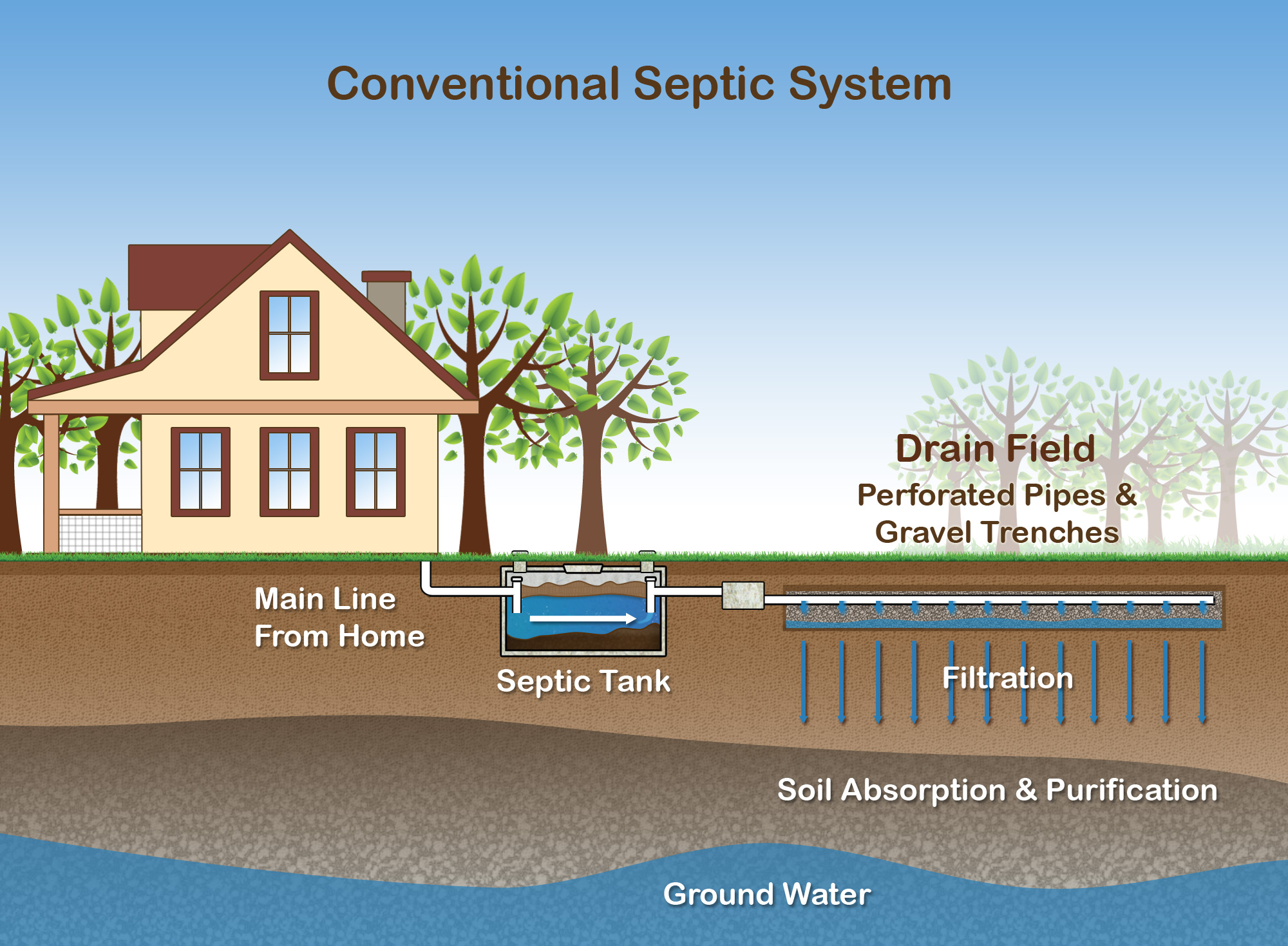
What to Do When Your Septic Tank Smells: Quick Fixes
A pungent odor emanating from your yard can be a sign of a problem with your septic system. While the smell itself is unpleasant, it's also a warning that something might be amiss. Don't panic! You can often address these issues with some simple DIY solutions. Let's explore the common causes and how to deal with them.
Identifying the Source
The first step is to pinpoint the source of the odor. Are you noticing the smell near your septic tank, the drain field, or around your house? This can help you narrow down the potential problems.
Septic Tank Issues
If the smell is strongest near your septic tank, it could indicate several issues:
- Overfilling: A full tank can lead to sewage backing up and releasing foul odors.
- Solid Waste Accumulation: Too much solid waste can create an anaerobic environment, resulting in a strong smell.
- Leaks: Cracks or holes in the tank can allow sewage to seep out, causing an unpleasant odor.
Drain Field Problems
If the smell is strongest near your drain field, it could mean:
- Clogging: Blockages in the drain field can prevent wastewater from flowing properly, causing it to back up and release odors.
- Soil Saturation: Over time, the soil in the drain field can become saturated with wastewater, leading to a smell.
Home Plumbing Issues
The smell might also be coming from your home's plumbing system:
- Dry P-Traps: These are U-shaped pipes under sinks and other fixtures that hold water to prevent sewer gases from entering your home. If they dry out, odors can escape.
- Broken Pipes: Leaking or cracked pipes can release sewage odors into your home.
Quick Fixes
Once you've identified the likely source, here are some quick fixes to try:
For Septic Tank Odors
- Pump Out: If your tank is overfull, call a septic service to pump it out. This is the most effective solution for immediate odor relief.
- Use a Septic Tank Treatment: These products contain bacteria that help break down solid waste and reduce odor. Follow the product instructions carefully.
- Reduce Water Usage: Shorten showers, run laundry less often, and avoid using a garbage disposal to reduce the amount of wastewater going into your tank.
For Drain Field Odors
- Aerate the Soil: If your drain field is saturated, try aerating the soil around it with a garden fork or aerator. This will help improve drainage and reduce odors.
- Avoid Driving on the Drain Field: Heavy vehicles can damage the drain field and prevent proper wastewater flow, leading to odors.
For Home Plumbing Odors
- Flush Your P-Traps: Run water in all sinks, tubs, and showers to refill the P-traps and prevent odors from entering your home.
- Check for Leaks: Inspect your plumbing system for leaks and repair them promptly.
When to Call a Professional
While these quick fixes can sometimes address the odor, it's essential to remember that a septic system is a complex system. If the smell persists or worsens, or if you suspect a more serious issue, contact a qualified septic professional for diagnosis and repair.
Septic Tank Smells in Your House: What They Mean and How to Fix Them
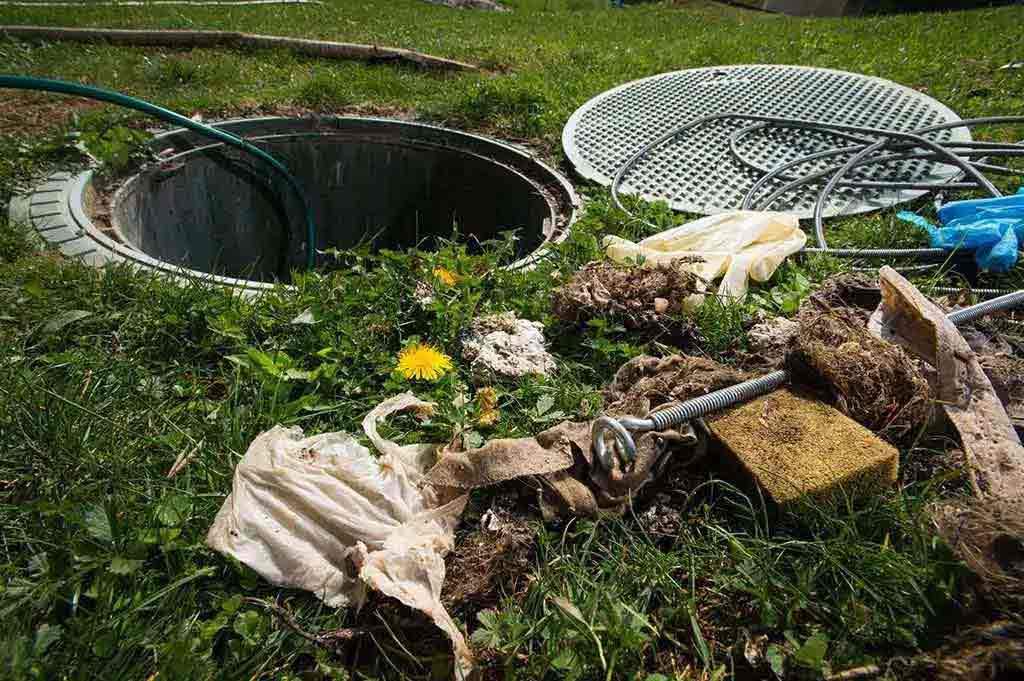
Septic Tank Smells in Your House: What They Mean and How to Fix Them
A septic system is a vital component of your home's plumbing, responsible for treating wastewater before it is discharged into the environment. While a properly functioning system is largely odorless, unpleasant smells can signal problems within your septic tank or its associated components. These smells can range from a mild, musty odor to a strong, foul stench, and can be indicative of various issues that require immediate attention.
Understanding the causes of septic tank smells is crucial to identifying the underlying problem and taking appropriate action. This article will delve into the common reasons for septic tank odors in your home, explain what these smells might indicate, and provide practical solutions to eliminate the problem.
Common Causes of Septic Tank Smells
Septic tank smells usually stem from one of the following causes:
1. Overflowing Septic Tank
An overflowing septic tank is a primary culprit for foul odors. When the tank reaches its capacity, wastewater cannot be processed effectively. This can lead to a backup of raw sewage, resulting in strong, unpleasant smells emanating from drains and throughout your home.
2. Clogged Drainfield
The drainfield is responsible for filtering and discharging treated wastewater into the soil. A clogged drainfield occurs when the soil becomes saturated with wastewater, hindering drainage. This can cause wastewater to back up into the septic tank, leading to unpleasant odors.
3. Faulty Septic Tank Components
Defective components within your septic system, such as the lid, vent pipe, or baffles, can contribute to odor problems. A damaged lid can allow gases to escape, while a malfunctioning vent pipe can trap gases within the tank, leading to a buildup of pressure and unpleasant smells.
4. Improper Septic Tank Maintenance
Regular septic tank maintenance is essential for preventing odor issues. Neglecting routine pumping and inspections can lead to a buildup of sludge and scum, creating an environment conducive to odor-producing bacteria.
5. Excess Water Use
Excessive water usage can overburden your septic system, leading to a buildup of wastewater and a potential overflow. This can result in unpleasant smells from drains and around your home.
6. Tree Roots
Intrusive tree roots can damage your septic system's pipes and drainfield, creating pathways for sewage to escape and generate foul odors. Tree roots are attracted to the moisture and nutrients found in wastewater, leading to their growth within the system.
Identifying the Source of the Smell
To effectively address septic tank odors, it's essential to pinpoint their source. Here are some steps to help you determine the origin of the smell:
- Identify the Location: Determine where the odor is most pronounced, whether it's near specific drains, in the basement, or throughout your home.
- Check Drainfield: Inspect the drainfield for signs of saturation, such as pooling water or lush vegetation. This can indicate a blockage or improper drainage.
- Observe the Vent Pipe: Check the vent pipe for signs of blockage, damage, or improper installation. A blocked or damaged vent pipe can trap gases within the tank, leading to odors.
- Check the Septic Tank Lid: Ensure the septic tank lid is securely closed and free of any damage. A cracked or loose lid can allow gases to escape.
- Look for Leaks: Inspect the pipes and connections around your septic system for any leaks or cracks. These can allow wastewater to escape and create unpleasant smells.
How to Fix Septic Tank Smells
The solutions to septic tank smells vary depending on the cause. However, here are some general steps you can take to eliminate the odors:
1. Pump the Septic Tank
Regular septic tank pumping is essential for maintaining proper functionality. Contact a qualified septic tank service to pump the tank according to the manufacturer's recommendations, typically every 3-5 years. Pumping removes accumulated sludge and scum, preventing overflow and odor issues.
2. Repair or Replace Faulty Components
Inspect and repair or replace any damaged or malfunctioning components within your septic system, such as the lid, vent pipe, or baffles. Ensure that all components are properly installed and functioning correctly to prevent odor problems.
3. Maintain Proper Water Usage
Reduce excessive water usage by taking shorter showers, fixing leaky faucets, and avoiding unnecessary water use. This will prevent overloading your septic system and minimize the risk of odor problems.
4. Clean and Deodorize the System
Use septic tank additives or enzymes to help break down waste and reduce odor-causing bacteria. These additives can be added to the tank periodically to help maintain proper function and prevent odor problems.
5. Address Tree Roots
If tree roots are encroaching on your septic system, consider having them professionally removed or controlled to prevent damage to the pipes and drainfield. This will prevent the roots from disrupting the system's functionality and contributing to odor problems.
6. Call a Professional
If the odor persists despite your efforts, it's best to contact a qualified septic tank service for inspection and repair. A professional can diagnose the problem, recommend solutions, and implement necessary repairs to eliminate the odor and ensure the proper functioning of your septic system.
Preventing Septic Tank Smells
Preventing septic tank smells is crucial for maintaining a comfortable and healthy living environment. Here are some preventive measures to consider:
- Regular Pumping: Schedule regular septic tank pumping according to the manufacturer's recommendations or as advised by a qualified septic tank service.
- Proper Water Usage: Practice water conservation measures to avoid overloading the septic system.
- Avoid Flushing Non-Biodegradable Items: Do not flush items such as wipes, paper towels, feminine hygiene products, or grease down the drain, as these can clog the system and contribute to odor issues.
- Regular Inspections: Schedule annual inspections of your septic system to detect potential issues before they become major problems.
- Tree Root Control: Monitor the growth of trees and shrubs around your septic system to prevent root intrusion.
In conclusion, septic tank smells are a sign of underlying problems that need to be addressed promptly. By understanding the common causes of these odors, pinpointing their source, and implementing the appropriate solutions, you can eliminate the unpleasant smells and ensure the long-term functionality of your septic system.
How to Get Rid of Septic Tank Smells in Your House Without Chemicals

Conquering Septic Tank Smells: A Natural Approach
That unmistakable sewage smell wafting through your house â€" it's not exactly a pleasant welcome. You know it's coming from your septic system, but you're determined to tackle it without harsh chemicals. Don't worry, you're not alone! There are plenty of natural solutions that can banish those odors and restore the fresh scent to your home.
Understanding the Source: Why Does My Septic System Smell?
Before we dive into the solutions, let's understand why those pungent smells are making an appearance in the first place. Here are the usual culprits:
1. A Full Tank:
Think of your septic tank as a digestive system for your wastewater. When it gets too full, it can't break down waste efficiently, leading to backups and those unpleasant odors.
2. Leaky Pipes:
Cracked or broken pipes in your septic system can allow smelly sewage to escape, creating a foul scent around your home.
3. Improper Ventilation:
Your septic system needs proper ventilation to release gases and prevent pressure build-up. If the vent stack is blocked or malfunctioning, you might be dealing with odor issues.
4. Problems with the Drainfield:
The drainfield is where wastewater is filtered and released back into the ground. If it's clogged or failing, it can lead to odors.
Natural Solutions to Fight Septic Tank Smells
Now that you understand the potential causes, let's explore natural solutions to combat those pesky smells. Remember, a clean system is a happy system!
1. Embrace the Power of Baking Soda:
This kitchen staple is a natural deodorizer! Sprinkle baking soda down your drains and let it sit for a few hours before flushing with hot water. It neutralizes odors and helps to keep things fresh.
2. The Magic of Vinegar:
Vinegar is another kitchen hero for battling smells. Pour a cup or two of vinegar down the drain, let it sit for 30 minutes, then flush with hot water. The acidic nature of vinegar helps to break down grease and eliminate odor-causing bacteria.
3. The Aromatic Appeal of Citrus Peels:
Lemon and orange peels are a natural way to deodorize. Simply toss them down your drains and let them work their magic. The citrus oils will naturally freshen your plumbing and create a delightful scent.
4. Get Creative with Herbs:
Many herbs, such as rosemary, mint, and lavender, have natural odor-absorbing properties. Create a blend of dried herbs and place it in a small pouch near your septic tank to naturally freshen the air.
5. The Mighty Power of Activated Charcoal:
Activated charcoal is a natural absorbent that can trap and neutralize odors. You can find activated charcoal filters specifically designed for septic systems. Simply place the filter in your septic tank, and let it do its work.
6. The Importance of Regular Maintenance:
Preventative maintenance is key! Regularly inspect your septic system for leaks or cracks. You can also pump out your septic tank every 3-5 years to prevent it from overflowing. Regular maintenance not only reduces odor issues but also extends the lifespan of your system.
7. Keep Your System Balanced:
A healthy septic system needs a balance of bacteria to break down waste properly. You can add natural bacteria-boosting products to your septic tank, such as those made with yeast or enzymes. These products help to improve the breakdown of waste and reduce unpleasant odors.
Additional Tips to Keep Smells at Bay
Here are a few extra tips that can help you create a fresh-smelling home:
Commonly Asked Questions
You might be wondering about some common septic system-related issues. Here are some frequently asked questions with answers to help you better understand the process.
1. How often should I pump my septic tank?
Generally, it's recommended to pump your septic tank every 3 to 5 years. However, the frequency may vary depending on the size of your tank and your household's wastewater usage. If you notice any signs of a full tank, such as slow drains or gurgling noises, it's best to have it pumped sooner rather than later.
2. How do I know if my septic system is leaking?
Look for signs like standing water or damp patches near your septic tank or drainfield. You might also notice an unusual smell in the area. If you suspect a leak, contact a qualified septic system professional to inspect your system.
3. What can I do if my septic system smells even after trying these natural solutions?
If you've tried the natural solutions and still have a strong smell, it's time to call in the professionals. A septic system expert can diagnose the root cause of the odor and recommend the most appropriate solutions.
Remember, maintaining a clean and well-functioning septic system is important for a comfortable and odor-free home. By following these natural solutions and being mindful of your septic system's needs, you can banish those unwanted smells and enjoy the fresh air in your house!
Thursday, November 14, 2024
Effective Natural Septic Tank Treatment Methods for a Healthier Home

Effective Natural Septic Tank Treatment Methods for a Healthier Home
A well-maintained septic system is crucial for a healthy and comfortable living environment. While conventional chemical treatments are available, many homeowners are turning to natural methods to maintain their septic tanks. These eco-friendly approaches not only protect the environment but also contribute to a safer and more sustainable home.
Understanding Septic Tank Function
Before delving into natural treatment methods, it's essential to understand the basic principles of a septic system. A septic tank is a sealed underground container that separates solid waste from liquid wastewater. The solid waste settles to the bottom, forming sludge, while the liquid effluent flows to a drain field. The drain field, composed of perforated pipes surrounded by gravel, allows the treated wastewater to slowly filter into the soil.
Natural Septic Tank Treatment Methods
1. Bacteria and Enzymes
Bacteria and enzymes play a crucial role in breaking down organic matter in the septic tank. Natural septic tank treatments often contain a blend of beneficial bacteria and enzymes that accelerate the decomposition process.
- Beneficial Bacteria: These microorganisms consume organic waste, converting it into simpler compounds that are easier to process in the drain field.
- Enzymes: Enzymes act as catalysts, speeding up the breakdown of complex molecules, such as proteins and fats, into smaller, less harmful substances.
These products are typically available in liquid or tablet form and can be added to the septic tank on a regular basis.
2. Baking Soda
Baking soda (sodium bicarbonate) is a natural deodorizer and can help neutralize unpleasant odors associated with septic tanks. It can also help balance the pH of the tank, creating a more favorable environment for beneficial bacteria to thrive.
To use baking soda, simply pour a cup or two into the toilet bowl and flush. Repeat this process every few weeks to maintain a fresh smell and healthy tank.
3. Vinegar
Vinegar is another natural deodorizer and can help prevent the buildup of sludge in the septic tank. It also has antibacterial properties that can help control odor-causing bacteria.
Pour a cup or two of white vinegar into the toilet bowl and flush. Repeat this process every month or as needed.
4. Yeast
Yeast, a type of fungus, can be used to break down organic matter in the septic tank. It releases enzymes that help digest food waste, paper products, and other organic materials.
To use yeast, simply add a cup of active dry yeast to the toilet bowl and flush. Repeat this process once a month.
5. Coffee Grounds
Coffee grounds can help break down grease and oils in the septic tank. They also provide a source of nitrogen for beneficial bacteria.
After brewing coffee, dispose of the grounds directly into the toilet bowl and flush. Repeat this process regularly to maintain a healthy septic system.
Maintenance Tips for a Healthy Septic System
In addition to natural treatments, regular maintenance is crucial for a healthy septic system. Here are some essential tips:
- Pumping: Have your septic tank pumped every 3-5 years, or more frequently if needed. This removes accumulated sludge and solids, preventing blockages in the drain field.
- Avoid Excessive Use: Minimize the use of harsh chemicals and detergents, as they can harm beneficial bacteria and damage the septic system.
- Proper Disposal: Dispose of grease, oil, and fats in a separate container, as they can clog the tank and drain field.
- Water Conservation: Conserve water to reduce the overall load on the septic system.
- Inspections: Schedule regular inspections to identify any potential problems early on.
Benefits of Natural Septic Tank Treatment Methods
Choosing natural septic tank treatments offers several advantages:
- Environmentally Friendly: These methods avoid the use of harsh chemicals that can contaminate groundwater and harm the environment.
- Safe for Your Family: Natural treatments are generally safe for children, pets, and the environment. They don't contain harmful substances that can pose risks to human health.
- Cost-Effective: Natural septic tank treatments are often more affordable than commercial chemical products.
- Easy to Use: Most natural treatments are simple to apply and require minimal effort.
Conclusion
Natural septic tank treatment methods provide a sustainable and effective way to maintain a healthy septic system. By using beneficial bacteria, enzymes, and other natural ingredients, you can promote a balanced ecosystem within your tank, reducing odors and ensuring proper wastewater treatment. Remember to combine these methods with regular maintenance and good practices to keep your septic system running smoothly for years to come.
How to Stop Septic Tank Odors from Coming Back After Rain

Conquering the Stinky Aftermath: How to Stop Septic Tank Odors from Coming Back After Rain
Ah, the sweet smell of rain...unless you have a septic system, that is. You know the drill: it pours, the ground gets soaked, and then *bam*, that unmistakable septic tank aroma creeps into your home, making your nostrils wrinkle and your stomach churn. Ugh!
It's enough to make you swear off rain altogether, but don't worry, we're here to help you win this battle against the smelly invaders. We'll dive into the reasons why your septic system becomes a fragrant (or rather, fragrant-less) issue after a downpour and provide you with practical solutions to keep your home smelling fresh and inviting, rain or shine.
Unraveling the Mystery: Why Rain Exposes Septic Tank Odors
The culprit behind this post-rain stench? It's all about the water table, folks! Let me explain. Your septic tank is a carefully balanced ecosystem, designed to break down wastewater and release clean water back into the soil. However, when the ground becomes saturated with rainwater, the water table rises. This rise can push the wastewater up, creating a pressure that can force the septic tank's contents (and that unpleasant odor) back into your home through the drain lines.
But that's not all! The rain can also make your septic system less effective. Heavy rainfall can overload the system, causing it to work harder to process the wastewater. This overload can lead to a buildup of solids in the tank, which can further contribute to the odor problem.
Taking Action: How to Keep the Stinky Smell at Bay
Now that we understand the why, let's tackle the how. Here are some effective strategies to combat those pesky septic tank odors and prevent them from returning after a rain shower:
1. Maintain Your Septic System Regularly
The key to a healthy septic system and a fragrance-free home is regular maintenance. Just like a car needs an oil change, your septic tank needs periodic attention. Here's what you need to do:
- Pump it out: Aim for a septic tank pumping every 3-5 years. This keeps the tank from becoming overloaded with solids and prevents backups.
- Inspect the drain field: Ensure your drain field is functioning properly. Look for any signs of damage, like cracks or pooling water.
- Avoid overloading: Limit the amount of wastewater you send to your septic system by being mindful of what you flush. Avoid flushing anything other than toilet paper and human waste.
2. Employ the Power of Deodorizers and Additives
There are a plethora of products on the market specifically designed to tackle those nasty septic tank odors. These deodorizers and additives come in various forms, like tablets, powders, or liquids. Here's what to look for:
- Septic tank deodorizers: These work by masking or neutralizing the foul odor, creating a more pleasant environment.
- Bacteria-based treatments: These introduce beneficial bacteria to the septic tank, enhancing the breakdown of waste and reducing the odor.
Consult your local plumbing professional or hardware store for recommendations on the most effective products for your specific septic system.
3. Vent Your Septic System
A well-ventilated septic system can help prevent the buildup of gases and odors. Make sure your vent stack is clear of any obstructions and is extending at least a few feet above the roofline.
If you notice any signs of blockage or damage to the vent stack, call a professional plumber immediately.
4. Embrace Eco-Friendly Solutions
Mother nature has some tricks up her sleeve too! Here are a few eco-friendly ways to keep your septic system smelling fresh:
- Use vinegar: Pouring a cup or two of white vinegar down your drains once a month can help neutralize odors.
- Keep your pipes clean: Regular use of baking soda and vinegar down your drains can help dissolve grease and food particles, reducing the potential for clogs and odors.
- Use natural cleaning products: Avoid harsh chemicals that can damage your septic system. Opt for eco-friendly cleaning products.
What If the Smell Persists?
Even after trying these tips, sometimes the septic tank odor refuses to disappear. If the problem persists, it's time to call in the professionals. A qualified plumber can diagnose the underlying issue and offer solutions like:
- Septic tank inspection: A thorough inspection can identify any problems with the tank or drain field.
- Drain line cleaning: If there's a clog in your drain lines, a plumber can use specialized tools to clear it.
- Septic system repair or replacement: In some cases, the septic system may need to be repaired or replaced entirely.
Commonly Asked Questions
Q: What are the signs of a failing septic system?
Besides the pungent odor, a failing septic system can exhibit other symptoms like slow draining sinks, gurgling toilets, and patches of lush green grass over the drain field.
Q: How often should I get my septic tank pumped?
The general recommendation is every 3-5 years. However, this can vary depending on the size of your tank and the amount of wastewater you produce. It's best to consult with a professional to determine the appropriate pumping schedule.
Q: Can I flush anything besides toilet paper and human waste?
Absolutely not! Avoid flushing anything other than toilet paper and human waste. This includes things like wipes, paper towels, feminine hygiene products, and even coffee grounds. These items can clog your pipes and damage your septic system.
With a little effort and the right strategies, you can keep those pesky septic tank odors at bay and enjoy a fresh-smelling home, rain or shine. Remember, a healthy septic system is crucial for a healthy home, so don't neglect your septic maintenance!
Wednesday, November 13, 2024
Understanding Septic Tank Smells at Night: What You Need to Know

Understanding Septic Tank Smells at Night: What You Need to Know
The presence of unpleasant odors emanating from your septic system, particularly at night, can be a source of discomfort and worry. While the occasional whiff might be normal, persistent or intensifying smells warrant attention, as they can indicate underlying issues within your septic system. This article aims to shed light on the common causes of septic tank smells at night, providing a comprehensive understanding of the underlying factors and offering practical solutions for remediation.
The Science Behind Septic Tank Odors
Septic systems are designed to treat wastewater through a natural process of decomposition. Bacteria within the tank break down organic matter, separating solids from liquids. However, this process generates gases, some of which are unpleasant and potentially hazardous. These gases, including hydrogen sulfide (rotten egg smell), ammonia (strong, pungent odor), and methane (flammable), can escape the system and infiltrate your home, especially when conditions favor their release.
Common Causes of Septic Tank Smells at Night
The phenomenon of heightened septic tank smells at night is often attributed to specific factors that amplify gas production and escape:
Temperature Fluctuations
Nighttime temperatures tend to be cooler than daytime temperatures. This change can affect the activity of bacteria within the septic tank, causing a shift in their metabolism and potentially leading to increased gas production. The cooler temperatures may also cause gases to condense, making them heavier and more likely to seep out of the tank or vent. This effect is particularly noticeable in areas with a significant temperature difference between day and night.
Increased Activity in the Home
While the human body produces a substantial amount of wastewater during the day, nighttime routines often include activities that contribute to higher wastewater levels in the septic system. These include:
- Showering
- Using the washing machine
- Running the dishwasher
- Flushing the toilet
This increased activity can temporarily overload the septic system, leading to a surge in gas production that may escape through vents or cracks in the system.
Air Pressure Changes
Atmospheric pressure tends to be lower at night, which can create a vacuum effect within the septic tank. This lower pressure can draw gases out of the tank and into the surrounding environment, potentially making them more noticeable.
Problems with the Septic System
In some cases, the presence of septic tank smells at night might point to underlying issues within the system. These issues can include:
- Clogged Vent Pipes: Vent pipes are crucial for releasing gases produced within the septic system. A clog in these pipes can trap gases and force them to seek alternative exit points, potentially leading to odors in your home.
- Overfilled Septic Tank: If your septic tank is overfilled, it can lead to a backup of wastewater, resulting in the release of gases and unpleasant odors.
- Broken or Cracked Septic Tank: Cracks or breaks in the septic tank or its components can allow gases to escape into the surrounding soil, eventually reaching your home.
- Leaks in the Drainfield: A leaking drainfield can cause wastewater to accumulate in the soil, leading to the release of foul-smelling gases.
- Improper Septic Tank Design or Installation: An incorrectly designed or installed septic system may not be able to handle the volume of wastewater it receives, resulting in overfilling and odor problems.
- High Water Table: A high water table can impede the drainage of the septic system, leading to a buildup of wastewater and gas production.
What To Do About Septic Tank Smells at Night
Addressing septic tank smells at night requires a systematic approach to pinpoint the source and implement appropriate solutions. Here’s a step-by-step guide:
1. Identify the Source of the Smell
Start by carefully inspecting your home for the source of the smell. Pay attention to the following:
- Location: Where in your home is the smell most prominent?
- Timing: Does the smell appear at a specific time of night?
- Intensity: How strong is the smell?
- Type of Odor: What type of smell is it (rotten eggs, ammonia, sewage)?
If you can trace the smell to a specific area of your home, you can start to narrow down the potential causes. For example, if the smell is strongest in the bathroom, it's likely related to the plumbing or the septic system itself.
2. Check the Septic Tank and Drainfield
If you suspect a problem with your septic system, it's important to check the tank and drainfield. This may involve:
- Visual Inspection: Look for any signs of cracking, leaking, or damage to the septic tank or drainfield.
- Checking the Lid: Make sure the lid of the septic tank is securely sealed and free of cracks.
- Inspecting the Vent Pipes: Look for signs of clogs or obstructions in the vent pipes.
- Measuring the Tank Level: Determine if the tank is overfilled. If the water level is close to or above the top of the baffle, it's likely overfilled.
3. Consider Environmental Factors
Consider how environmental factors may be influencing the smell. Are there any recent changes in the weather, like a drop in temperature, that could be impacting the septic system?
4. Call a Septic Professional
If you can't identify the cause of the smell or suspect a problem with your septic system, it's best to contact a qualified septic professional. They can perform a comprehensive inspection of your system, diagnose any problems, and recommend the best course of action.
5. Solutions to Address the Smells
Once you've identified the cause of the smells, you can start to implement solutions. Here are some common approaches:
- Pumping the Septic Tank: If the tank is overfilled, it needs to be pumped out by a qualified professional. Regular pumping of your septic tank, usually every 3-5 years, helps prevent overfilling and odors.
- Clearing Clogs: Clogged vent pipes can be cleared by a septic professional using specialized tools. They can also inspect the entire system for any other blockages that could be contributing to the odors.
- Repairing Leaks: If cracks or leaks are found in the septic tank or drainfield, they need to be repaired by a qualified professional. This may involve patching, sealing, or replacing components.
- Improving Drainage: In some cases, the smell may be related to poor drainage in the area surrounding the septic system. This could be addressed by installing a French drain or other drainage solutions.
- Installing a Deodorizer: Septic tank deodorizers can help neutralize unpleasant odors. These products are available in various forms, including tablets, granules, and liquids.
- Using Bacteria Treatment: Beneficial bacteria can be added to the septic tank to enhance the decomposition process and reduce odor-causing gases. These bacteria are available in liquid or tablet form and can be added periodically.
Preventive Measures
To minimize the risk of septic tank smells, consider implementing the following preventive measures:
- Regular Maintenance: Schedule regular inspections and pumping of your septic system to ensure it's operating efficiently. The frequency of pumping will depend on the size of your tank and the number of people living in your home.
- Avoid Flushing Problematic Items: Avoid flushing non-biodegradable items like wipes, paper towels, and feminine hygiene products down the toilet. These items can clog the system and contribute to odors.
- Use Water-Saving Practices: Reduce water usage in your home to minimize the amount of wastewater entering the septic system. Take shorter showers, use low-flow showerheads, and fix any leaks promptly.
- Monitor for Odors: Be attentive to any changes in the odor coming from your septic system. If you notice any increase in intensity or a new type of odor, contact a septic professional for inspection.
Conclusion
Septic tank smells, particularly at night, can be a nuisance and indicate potential problems with your system. By understanding the underlying causes and implementing the appropriate solutions, you can ensure the efficient operation of your septic system and prevent unpleasant odors from entering your home.
Remember that early detection and prompt action are crucial for maintaining a healthy and odor-free septic system. If you suspect an issue, don't hesitate to seek professional advice from a qualified septic professional. They can provide expert diagnosis, repair, and maintenance services to keep your system running smoothly and your home smelling fresh.
Tuesday, November 12, 2024
The Science Behind Septic Tank Odor Eliminators

The Science Behind Septic Tank Odor Eliminators: Unmasking the Mystery
The telltale whiff of a malfunctioning septic system can quickly transform your home into a less-than-desirable environment. But fear not, for there are solutions! The market is flooded with septic tank odor eliminators, each claiming to banish the stench. But what exactly are these products, and how do they work their magic?
A Peek Inside Your Septic System: The Source of the Stink
To understand the science behind odor eliminators, we need to delve into the inner workings of a septic tank. This underground marvel is responsible for breaking down wastewater through a multi-step process involving bacteria. These hardworking microbes feast on organic matter, converting it into sludge and effluent. While this process is essential for sanitation, it can sometimes lead to unpleasant odors.
The culprit behind the stench? Hydrogen sulfide, a smelly gas produced by bacteria as they break down waste. This gas escapes the tank and can permeate your home through vents, drain lines, and even cracks in the foundation.
Septic Tank Odor Eliminators: Unveiling the Science
Septic tank odor eliminators are designed to tackle this pungent problem by employing a variety of strategies:
1. Bacteria Boosters: A Microbe-Powered Solution
Some products work by introducing beneficial bacteria to your septic system. These microbes, often referred to as "good bacteria," outcompete the odor-producing bacteria, effectively reducing the production of hydrogen sulfide. They essentially create a more harmonious environment within the septic tank.
2. Odor Neutralizers: Masking the Smell
Other odor eliminators employ a different tactic: masking the smell. They contain chemicals, often fragrances, that bind to the hydrogen sulfide molecules, neutralizing their odor. This effectively hides the unpleasant scent, but it doesn't address the root cause of the problem.
3. Enzyme Power: Breaking Down the Source
Enzymes are biological catalysts that accelerate chemical reactions. Septic tank odor eliminators containing enzymes break down the organic matter in the tank, reducing the source of the odor-producing bacteria. This helps control the smell at its source, rather than simply masking it.
Choosing the Right Odor Eliminator: A Wise Decision
With a plethora of options available, choosing the right odor eliminator can seem daunting. Consider these factors:
- Type of product: Bacteria boosters, odor neutralizers, or enzymes?
- Effectiveness: Read reviews and look for products with proven results.
- Safety: Ensure the product is safe for your septic system and the environment.
- Cost: Compare prices and choose a product that fits your budget.
Before using any odor eliminator, it's crucial to consult with a qualified septic professional. They can assess your system's condition and recommend the most suitable solution. Remember, maintaining a healthy septic system is key to preventing odors and ensuring its longevity.
How to Remove Septic Tank Smell from Your Home Fast
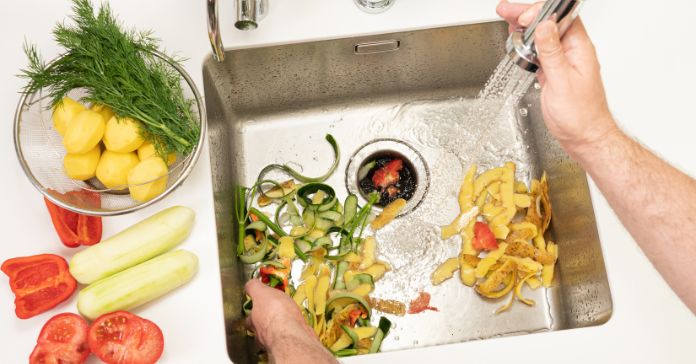
How to Remove Septic Tank Smell from Your Home Fast
The smell of sewage can be a truly unpleasant experience, especially when it invades your home. If you've noticed an unusual, foul odor, chances are it's coming from your septic system. Don't worry, you don't have to live with the stench! Here's a comprehensive guide to help you tackle the problem and restore freshness to your home.
Identify the Source of the Smell
The first step in eliminating septic tank odor is pinpointing its source. Here are a few common culprits:
- Leaky Pipes or Fittings: Cracked or loose pipes in your plumbing system can release sewer gases into your home.
- Vent Stack Issues: The vent stack is a crucial part of your septic system that allows gases to escape safely. A clogged or damaged vent stack can force these gases back into your home.
- Overloaded Septic Tank: If your septic tank is full, the wastewater can back up and create a foul odor.
- Dry Well Issues: If the dry well, which is responsible for filtering wastewater, is clogged or damaged, it can also contribute to odor.
Eliminate the Smell Quickly
Once you have a good idea of the source, here are some effective steps to remove the smell:
Flush the Drains with Hot Water
Start by running hot water down your drains for a few minutes. This helps to clear any clogs and pushes the sewer gases back down the pipes. If the smell persists, try adding a cup of baking soda followed by a cup of vinegar to your drains. Let it sit for 30 minutes, then flush with hot water again. This solution helps to neutralize odors.
Check the Vent Stack
The vent stack is a vertical pipe that extends from your septic tank to the roof. Check for any signs of blockage, such as leaves or debris. If you find any obstructions, remove them carefully.
Use a Septic Tank Treatment
Septic tank treatments are available at most hardware stores. These products contain bacteria that help break down waste and reduce odors. Follow the manufacturer's instructions for best results.
Open Windows and Doors
Good ventilation is crucial for eliminating the odor. Open windows and doors to allow fresh air to circulate throughout your home. Use fans to help draw out the stale air.
Preventing Future Septic Tank Odors
To avoid recurring septic tank smells, consider these preventative measures:
- Regular Maintenance: Have your septic tank inspected and pumped every 3-5 years. This helps to prevent backups and keep your system operating efficiently.
- Avoid Using Harsh Chemicals: Certain household cleaning products, such as bleach and disinfectants, can be harmful to the bacteria in your septic tank. Use eco-friendly alternatives instead.
- Be Mindful of What You Flush: Avoid flushing items like coffee grounds, grease, and hair down the drain. These materials can clog your pipes and lead to odor problems.
When to Call a Professional
If the smell persists after trying these solutions, or if you suspect a serious problem with your septic system, contact a qualified plumber or septic tank specialist. They can diagnose the issue and provide the necessary repairs.
How to Control Septic Tank Odor Without Chemicals

Controlling Septic Tank Odor Without Chemicals
The presence of unpleasant odors emanating from a septic system can be a source of considerable discomfort and embarrassment. While chemical additives are often touted as a solution, they can have negative environmental consequences and may not always be effective in the long term. Fortunately, there are numerous natural and eco-friendly methods to control septic tank odor without resorting to harsh chemicals.
Understanding Septic Tank Odor
Septic tank odor is typically caused by the breakdown of organic matter, such as food waste, human waste, and paper products, within the septic tank. This process generates hydrogen sulfide gas (H2S), a highly odorous compound responsible for the characteristic “rotten egg†smell. As the gas escapes from the tank, it can travel through the vent pipe and into the surrounding air, leading to unpleasant odors.
Natural Methods for Odor Control
1. Proper Ventilation
Ensuring proper ventilation is crucial for minimizing septic tank odor. The vent pipe, extending from the septic tank to the roof, allows gases to escape safely into the atmosphere. A properly functioning vent pipe should be free from blockages and should extend at least 3 feet above the roofline. Inspecting the vent pipe regularly for clogs, bird nests, or other obstructions is essential.
2. Regular Maintenance and Pumping
Regular maintenance is key to preventing odor problems. This includes:
- Annual inspections: Have a qualified septic tank professional inspect your system annually to ensure proper function and identify any potential issues.
- Pumping: Schedule your septic tank to be pumped every 3-5 years, or more frequently if necessary. This helps prevent the accumulation of sludge and scum, which can contribute to odor production.
- Grease trap maintenance: If your system includes a grease trap, ensure it is regularly cleaned to prevent the build-up of fats and oils that can contribute to odor.
3. Conscientious Waste Management
The type of waste you flush down your drains can significantly impact odor production. Avoid:
- Flushing non-biodegradable items: Avoid flushing items such as wipes, diapers, feminine hygiene products, and paper towels, as they can clog your system and promote odor.
- Pouring grease and oil: These substances can solidify and clog the pipes, leading to odor and potential malfunction.
- Using excessive amounts of chemicals: Chemicals, including cleaners, disinfectants, and medications, can disrupt the natural bacteria that break down waste in your septic tank, leading to odor and potential damage.
4. Natural Odor Absorbers
Several natural materials can help absorb unpleasant odors from your septic system:
- Activated carbon: Activated carbon is a highly porous material that can effectively absorb odors. You can place a bag of activated carbon near the vent pipe or directly into the septic tank (consult a professional for guidance on this method).
- Baking soda: Baking soda is a common household ingredient with natural odor-absorbing properties. Sprinkle a cup of baking soda down the drain occasionally to help neutralize odors.
- Coffee grounds: Coffee grounds are a good source of nitrogen, which helps feed the beneficial bacteria in your septic tank. They can also absorb odors.
5. Planting Odor-Absorbing Plants
Certain plants have natural odor-absorbing properties that can help mask unpleasant smells. Planting these plants near your septic tank can be an effective, natural way to improve the surrounding environment:
- Mint: Mint plants are known for their strong, refreshing scent that can effectively mask odors.
- Lavender: Lavender has a calming and pleasant scent that can help neutralize unpleasant odors.
- Rosemary: Rosemary is a hardy herb with a strong, pungent scent that can mask odors.
Alternative Solutions to Chemical Additives
1. Enzyme-Based Treatments
Enzyme-based treatments are a viable alternative to chemical additives. Enzymes are naturally occurring proteins that break down organic matter. They are generally safe for the environment and can help improve the efficiency of your septic system, reducing odor production.
2. Bioaugmentation
Bioaugmentation involves introducing beneficial bacteria and enzymes to your septic tank to enhance the breakdown of waste. This can help improve the overall efficiency of the system and reduce odor production.
3. Aeration Systems
Aeration systems introduce oxygen into the septic tank, promoting the growth of aerobic bacteria. Aerobic bacteria are more efficient at breaking down waste and reducing odor-producing compounds compared to anaerobic bacteria, which thrive in oxygen-deprived environments.
Conclusion
Controlling septic tank odor without chemicals is entirely possible with a combination of proper maintenance, waste management practices, and natural odor-absorbing methods. By implementing these solutions, you can minimize odor production and ensure a healthy and efficient septic system for years to come. Remember that regular inspections and maintenance are crucial for preventing problems and ensuring optimal performance of your septic system.
How to Get Rid of Septic Tank Smell Naturally
How to Get Rid of Septic Tank Smell Naturally: A Guide to a Fresh-Smelling Home
You know that feeling. You walk into your house, and there's that unmistakable, slightly sweet, slightly pungent smell that only a septic system can produce. It's enough to make you want to hold your breath and run for the hills, right? But don't worry, you don't have to resort to extreme measures. There are plenty of natural ways to tackle that septic tank smell and reclaim the fresh air in your home.
Before we dive into the nitty-gritty of eliminating that pesky odor, let's talk about why it happens in the first place. It's all about the bacteria. Your septic system is a mini-ecosystem, teeming with bacteria that break down waste. When things are working properly, the bacteria keep the odor at bay. But if things get out of whack, like when there's too much waste or the system is overloaded, the bacteria can't keep up, and the odor starts to creep out.
So, how do you restore harmony to your septic system and banish that smell? Here are some natural solutions that really work:
1. Give Your System a Little TLC: Regular Maintenance for a Happy Septic
Just like any machine, your septic system needs a little love and attention to keep it running smoothly. Here's how to give it the care it deserves:
a. Don't Overload Your System:
Think of your septic system like a bathtub. If you keep pouring water into a full bathtub, it overflows. The same principle applies to your septic system. Avoid dumping large quantities of grease, oil, or hair down the drain. These can clog the system and create a breeding ground for odor-producing bacteria.
b. Pump It Up (Literally):
Just like you need to clean out your closet regularly, your septic system needs to be pumped out every 3-5 years. A professional septic service can pump out the sludge that accumulates in the tank, giving your system a fresh start and helping to prevent odor.
c. Watch What You Flush:
Think before you flush! Don't flush anything that's not biodegradable, like disposable wipes, feminine hygiene products, or paper towels. These items can clog the system and cause problems. Stick to the basics: toilet paper and human waste.
2. Harness the Power of Natural Odor Eliminators:
You don't need harsh chemicals to combat the septic smell. Nature has got your back! Here's how to put those natural odor busters to work:
a. Baking Soda and Vinegar Combo:
This classic duo is a true powerhouse when it comes to odor elimination. Sprinkle a cup of baking soda down the drain, followed by a cup of vinegar. The fizzing action helps break down clogs and neutralize odor.
b. Lemon and Baking Soda:
The citrusy scent of lemon is a natural deodorizer. Cut a lemon in half and squeeze the juice into the drain, followed by a cup of baking soda. Let the mixture sit for 30 minutes before flushing with hot water. This not only tackles the odor but also leaves a refreshing scent.
c. Natural Enzyme Cleaners:
Enzyme cleaners are a great option for breaking down organic waste in your septic system. Look for natural, eco-friendly enzyme cleaners that are safe for your system and the environment. These cleaners help to keep your septic system running smoothly and prevent odors.
3. Beyond the Drain: Tips for a Fresh-Smelling Home
While tackling the septic system directly is crucial, don't underestimate the power of good home hygiene in creating a fresh-smelling environment.
a. Don't Forget the Basics:
The little things matter! Regularly cleaning your bathroom and kitchen drains, emptying garbage cans, and airing out your home can make a big difference in reducing odor.
b. Add a Dash of Aroma:
A little bit of fragrance can go a long way! Diffuse essential oils like lavender, lemon, or eucalyptus throughout your home to mask any unpleasant smells. Or, consider placing bowls of baking soda or coffee grounds in problem areas to absorb odors.
c. Let the Air Flow:
Good ventilation is essential for preventing odor buildup. Make sure your bathroom and kitchen are properly ventilated by using exhaust fans. Open windows regularly to let fresh air circulate throughout your home.
4. Call in the Pros: When to Seek Expert Help
While natural remedies can be effective, sometimes the problem is deeper than you can address at home. If you experience persistent odors despite trying the tips above, or notice other signs of trouble, like slow drains or gurgling noises, it's time to call in a professional septic service.
Don't let a septic tank smell take over your home! By following these natural tips and being proactive about your septic system maintenance, you can keep your house smelling fresh and enjoy a clean and healthy living environment.